
Students in the Building Healthy Communities course at Brock University worked with residents at 45 Ormond Street South to collect research for the Through Their Eyes project in Niagara. Each team of students partnered with seniors from the Niagara Regional Housing residence to gain a better understanding of what makes an age-friendly community through the eyes of the city’s experts—local senior residents.

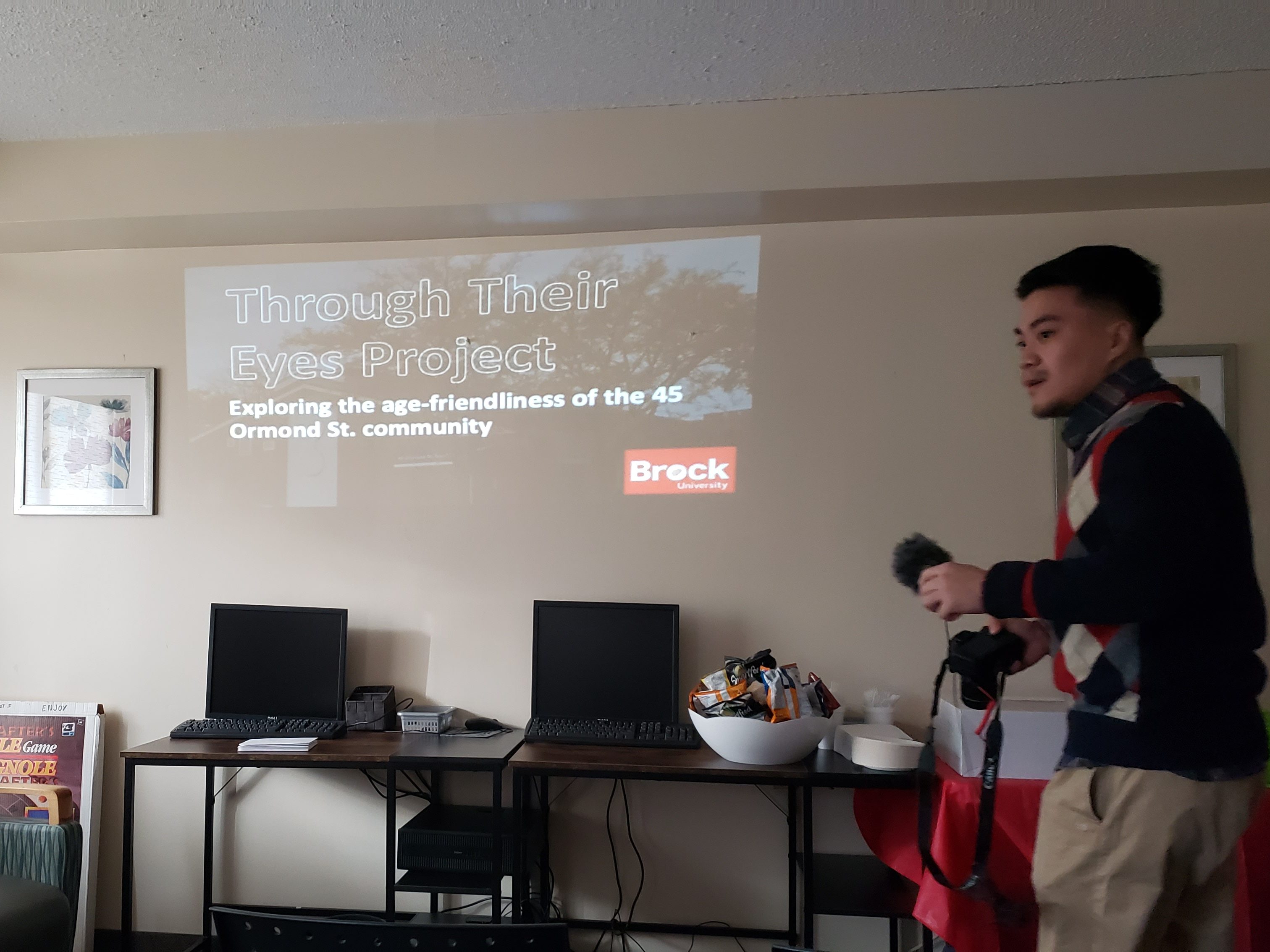
2017 Project Overview
Age-friendly findings:
- Close access to public transit and availability of paratransit
- Resident enjoy natural environment surrounding the building
- Pet-friendly
- Nearby food bank
- Church hosts monthly lunches and other community activities
- People in the neighbourhood are friendly
Not-so-age-friendly findings:
- No cross-walk to nearest bus stop on a busy street, and no shelter or bench
- It can take up to 3 buses to get to the hospital
- No shared computer or affordable access to the internet
- Inaccesible areas of the building (e.g. laundry room does not have an automatic door)
- Air quality concerns
- Challenges accessing medical services in the area
- No social committee
- Residents desire more social activities but find it difficult to plan themselves (on and off-site)
- Sidewalks are badly cracked
- Some residents feel isolation and loneliness
2023 Project Overview
Age-friendly findings:
- Affordable, safe and clean housing
- Outdoor garden
- Spacious and ample parking
- Convenient bus stop and schedule
- Close proximity to the park and local activities including concerts, festivals and markets
- Volunteer opportunities
- Social activities in the building (bingo, pay-what-you-can-market)
- Friendly neighbourhood
Not-so-age-friendly findings:
- Bed bugs remain a challenge for some tenants
- Not enough machines or dryers in the laundry room
- No seat or shelter at bus stop
- Sidewalk is sloped
- Street traffic is too fast
- No pedestrian crossing
- Limited on-site social activities
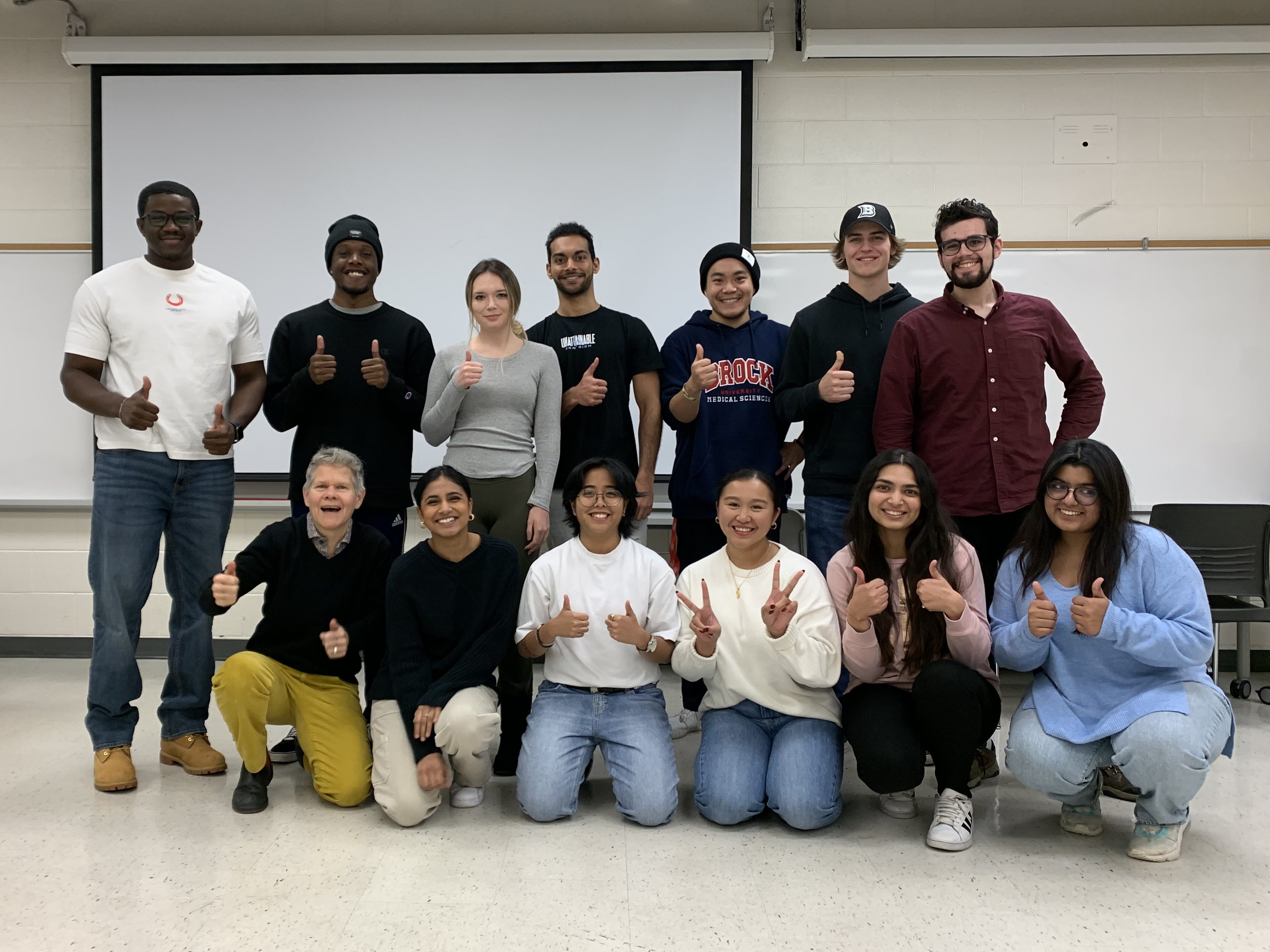
Everyone Benefits and Learns from the Project
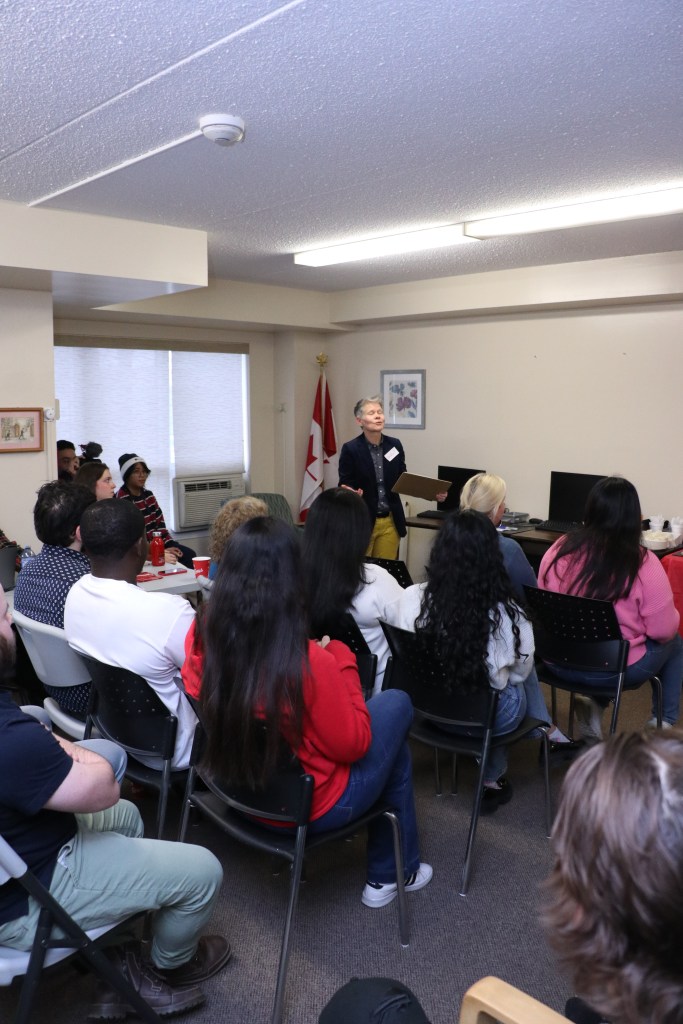
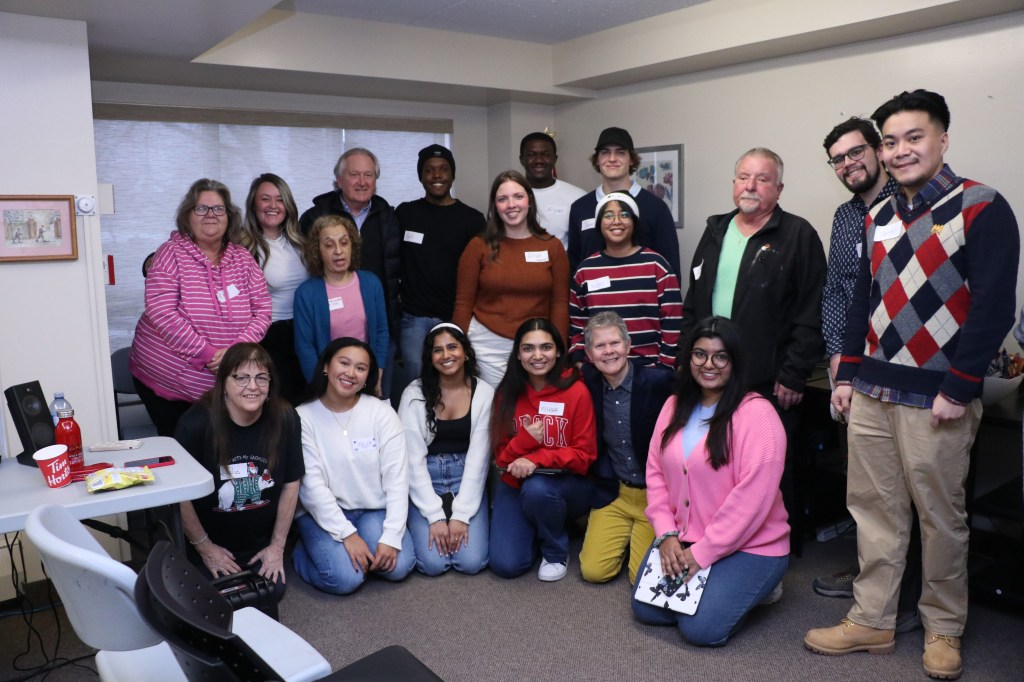
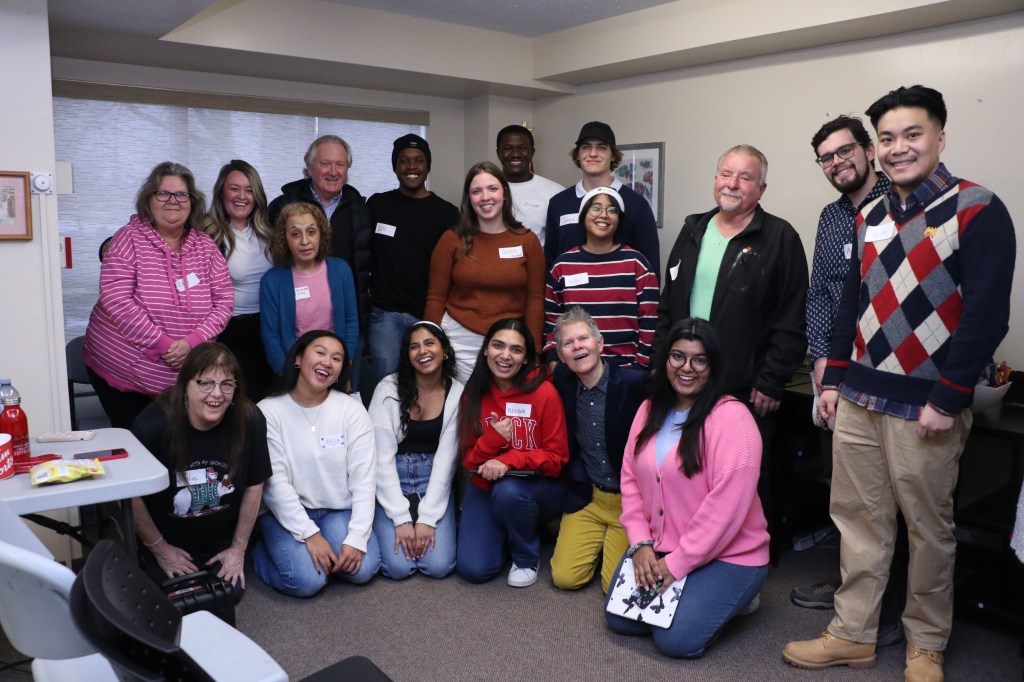
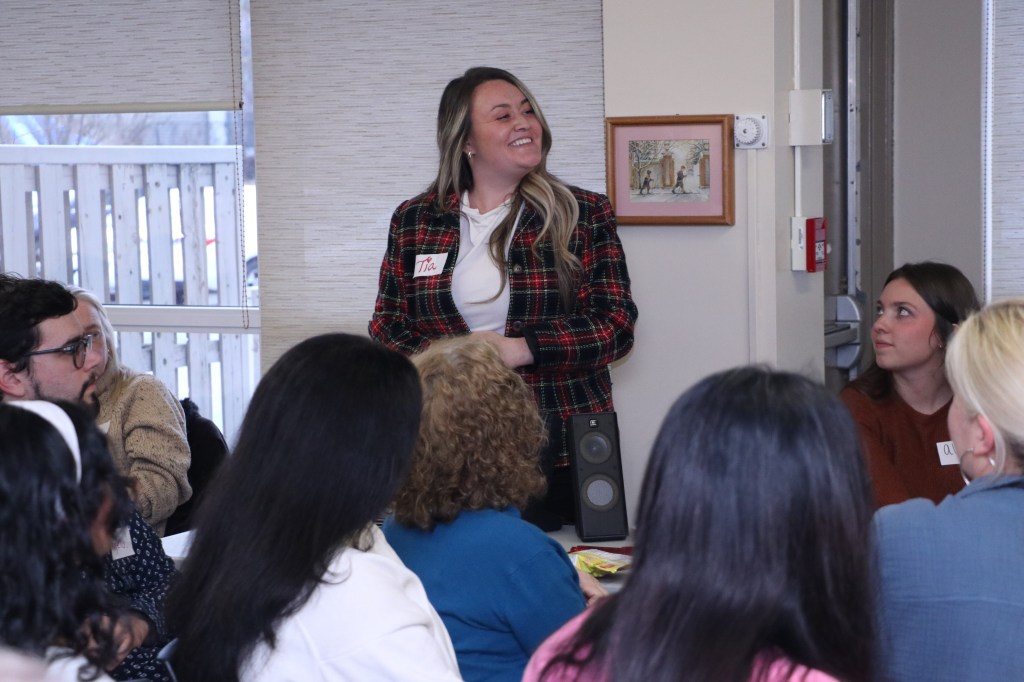
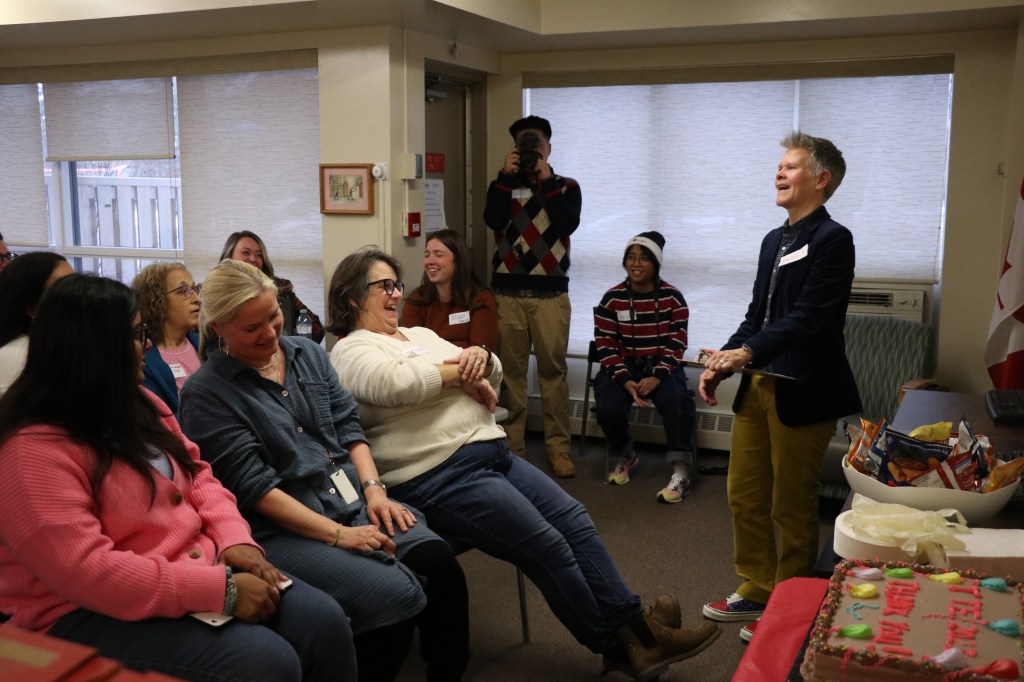
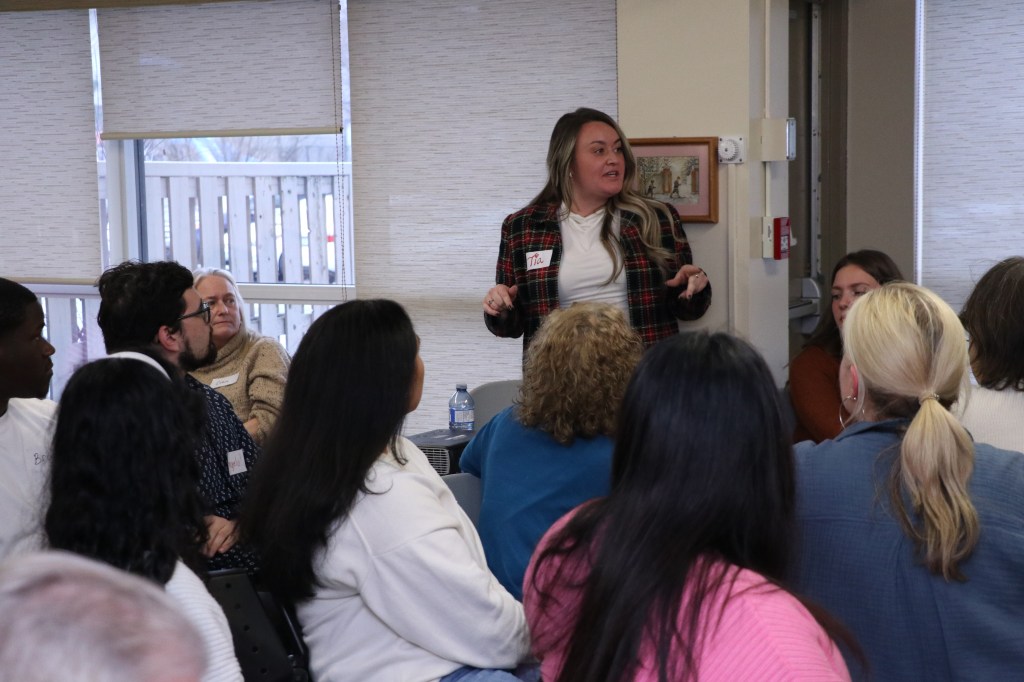
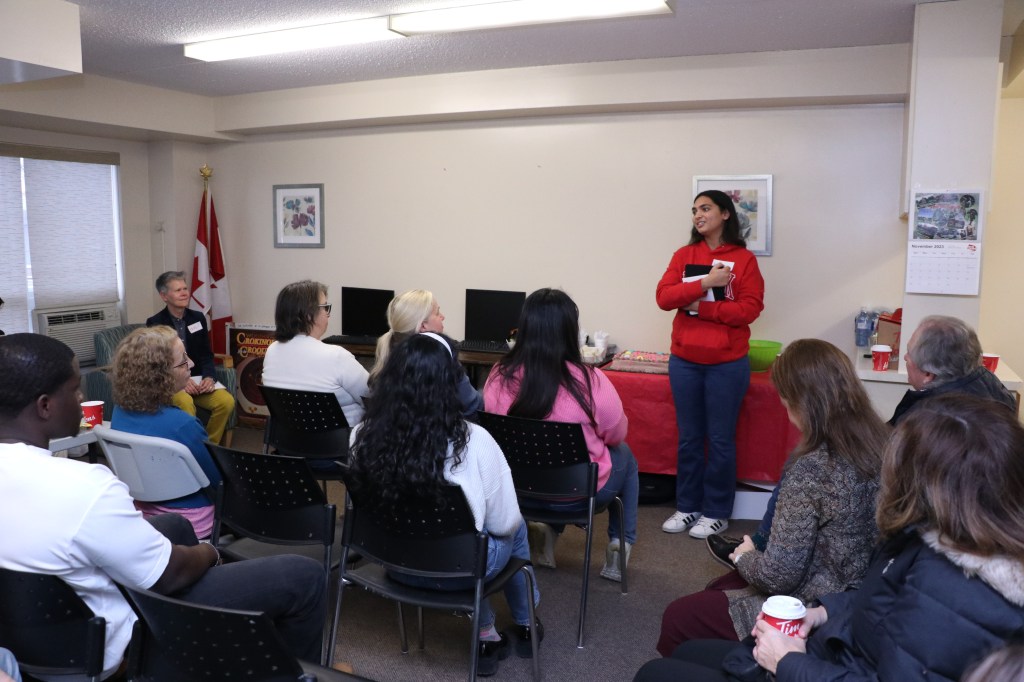
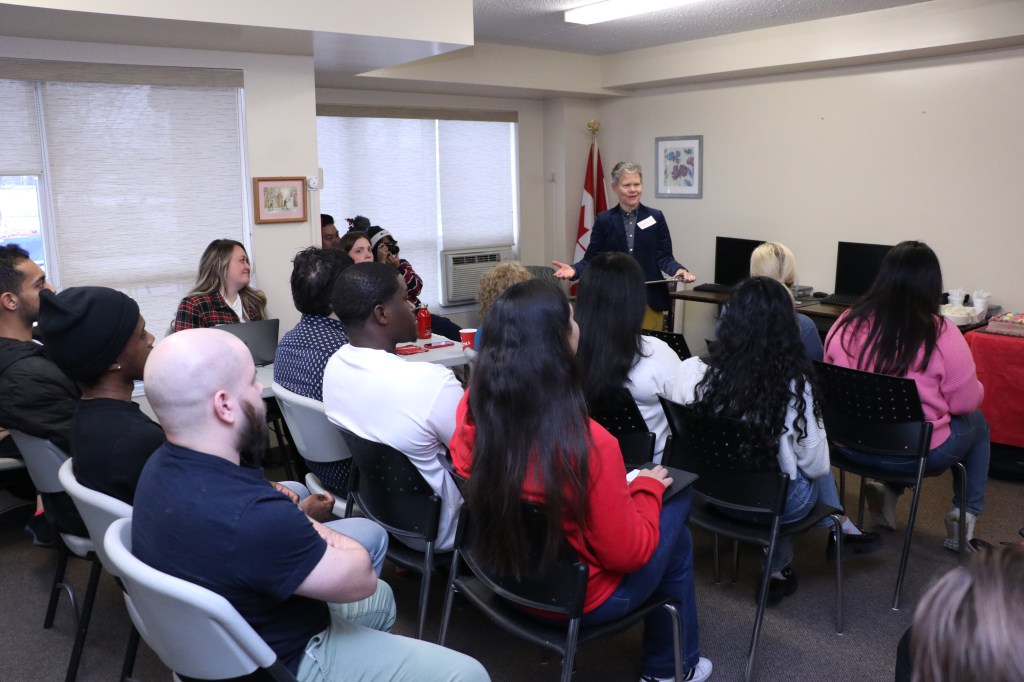
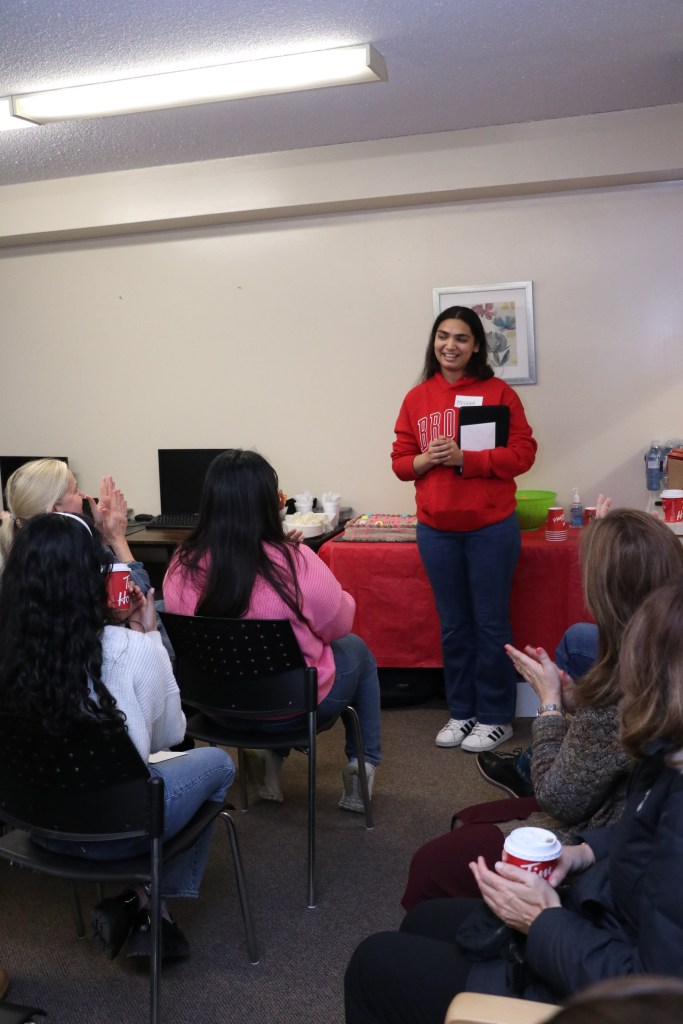
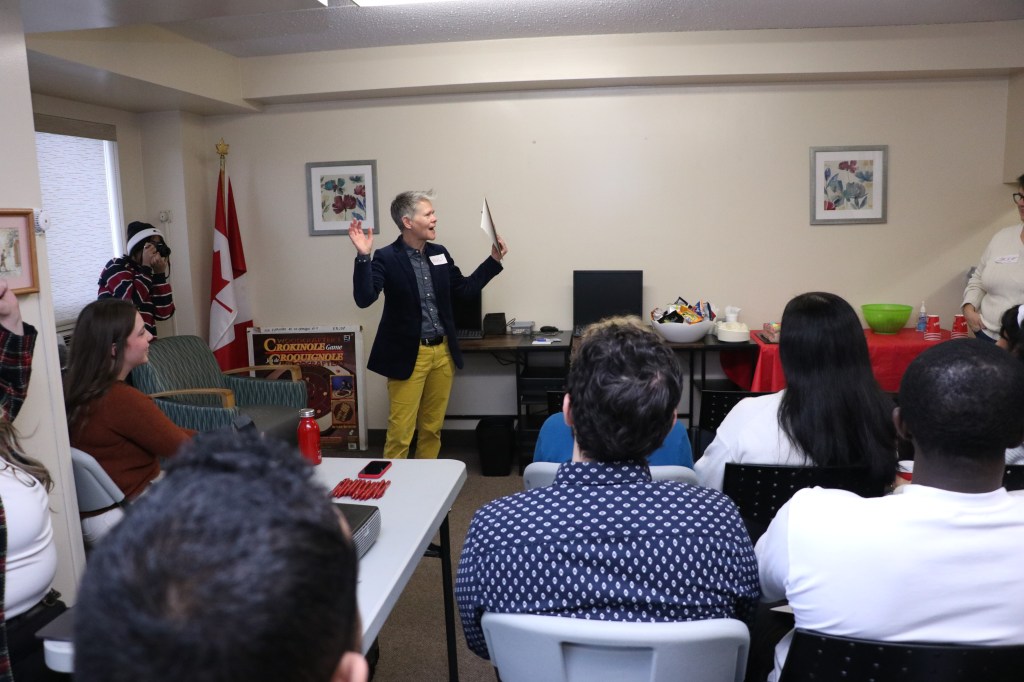
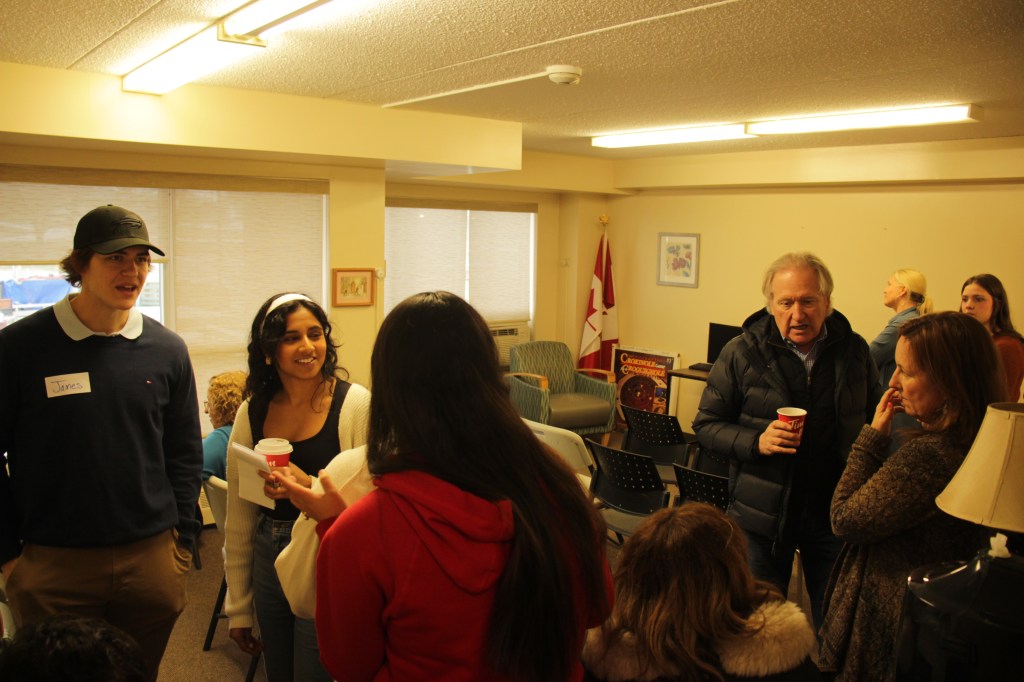
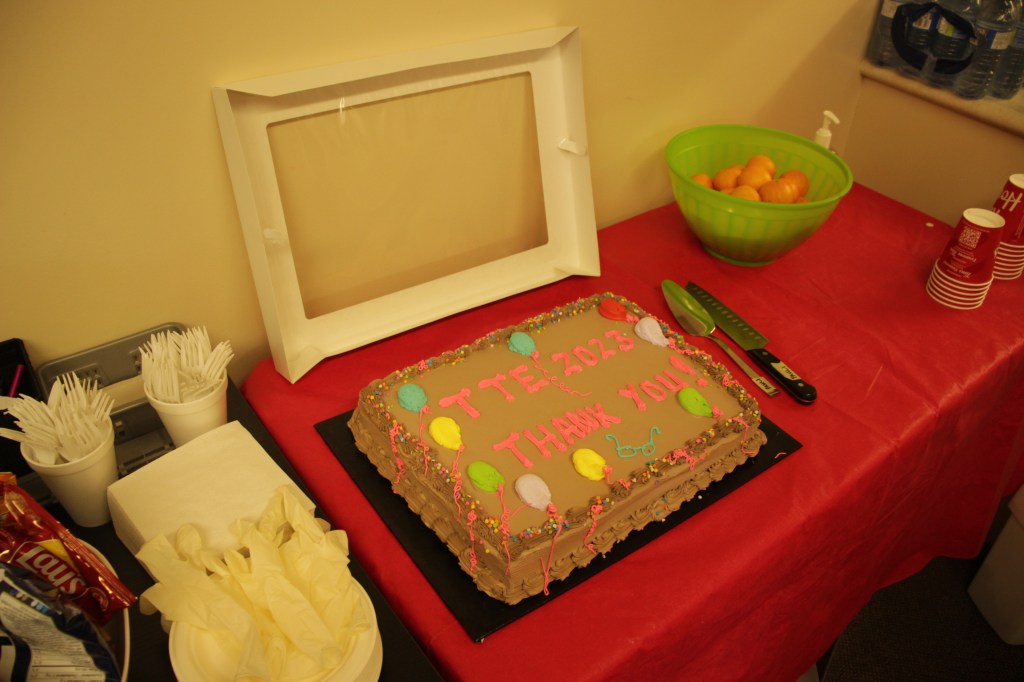
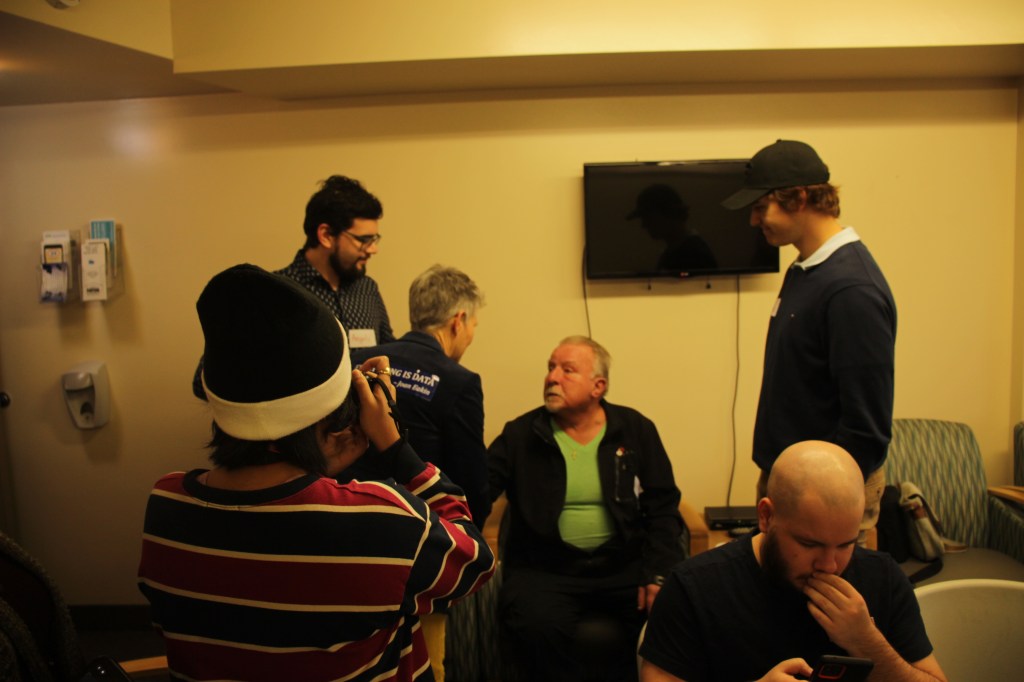
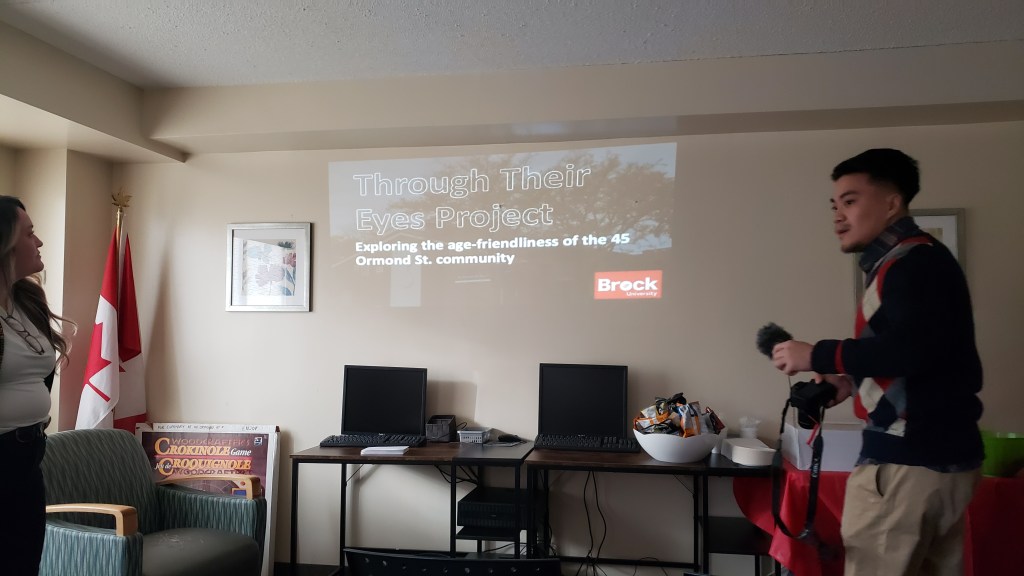
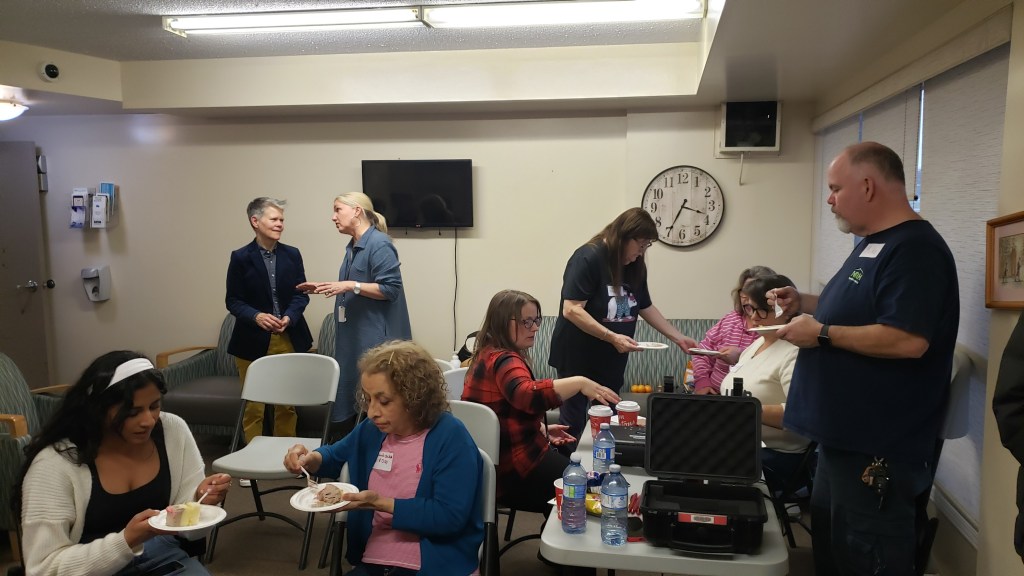
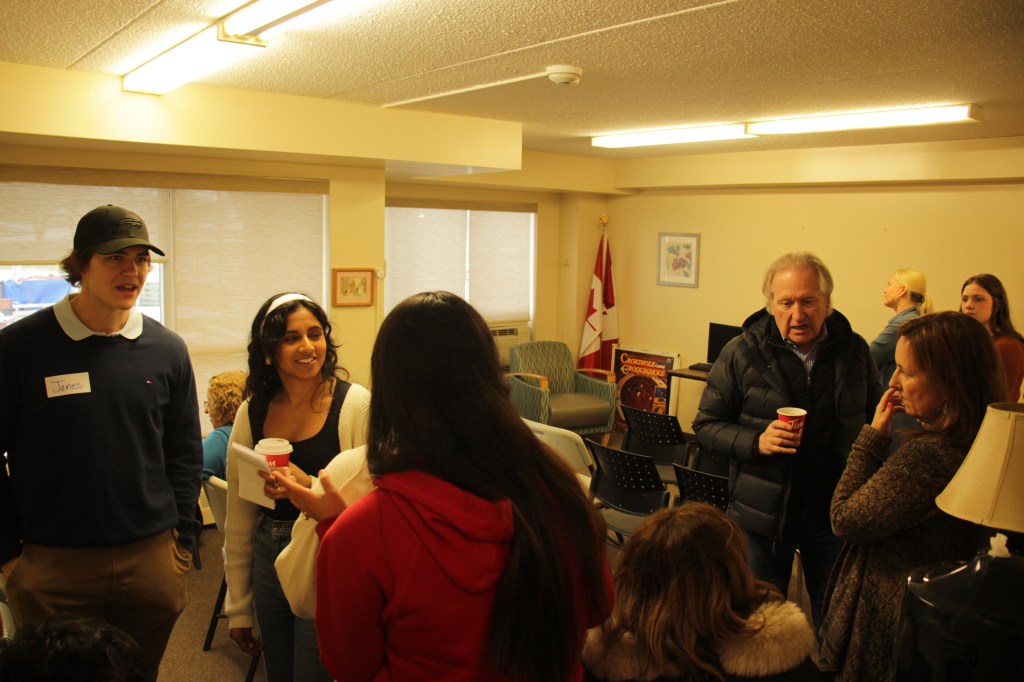
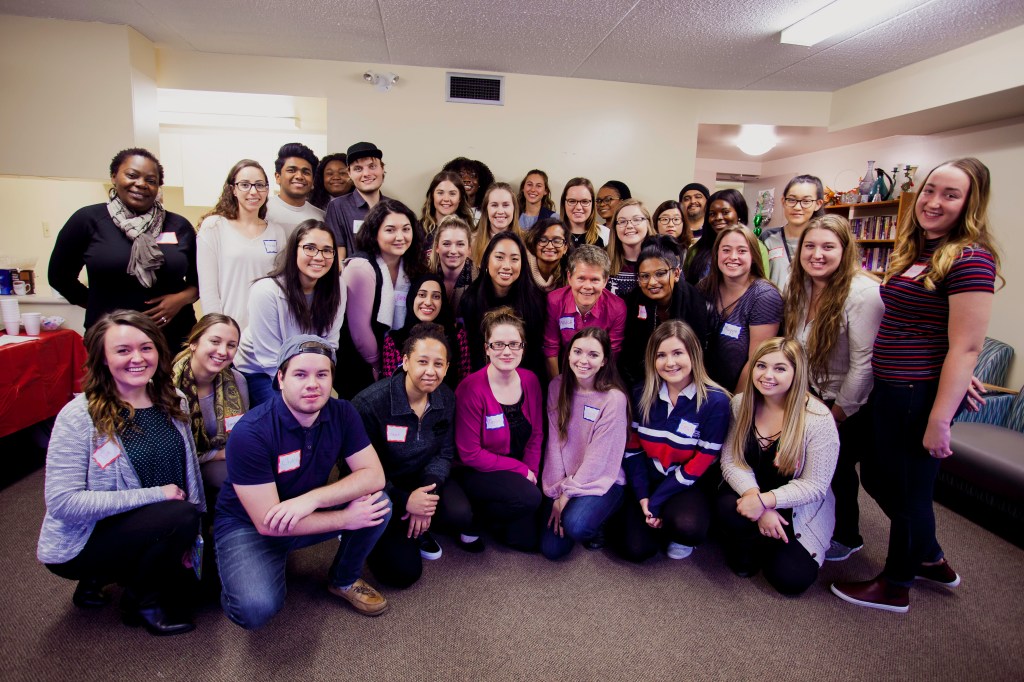
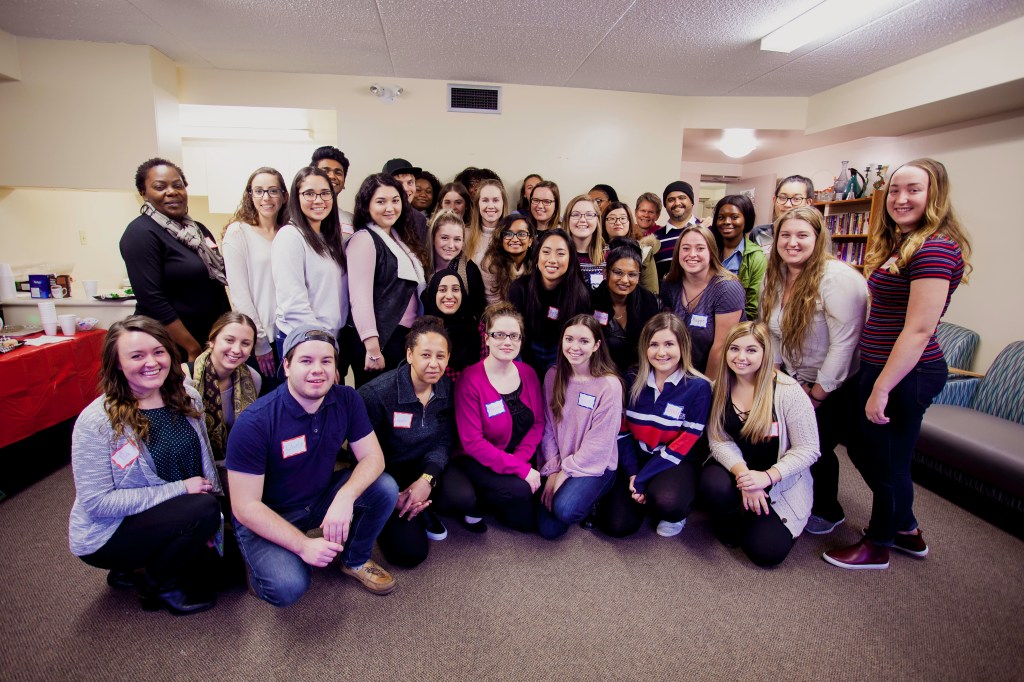
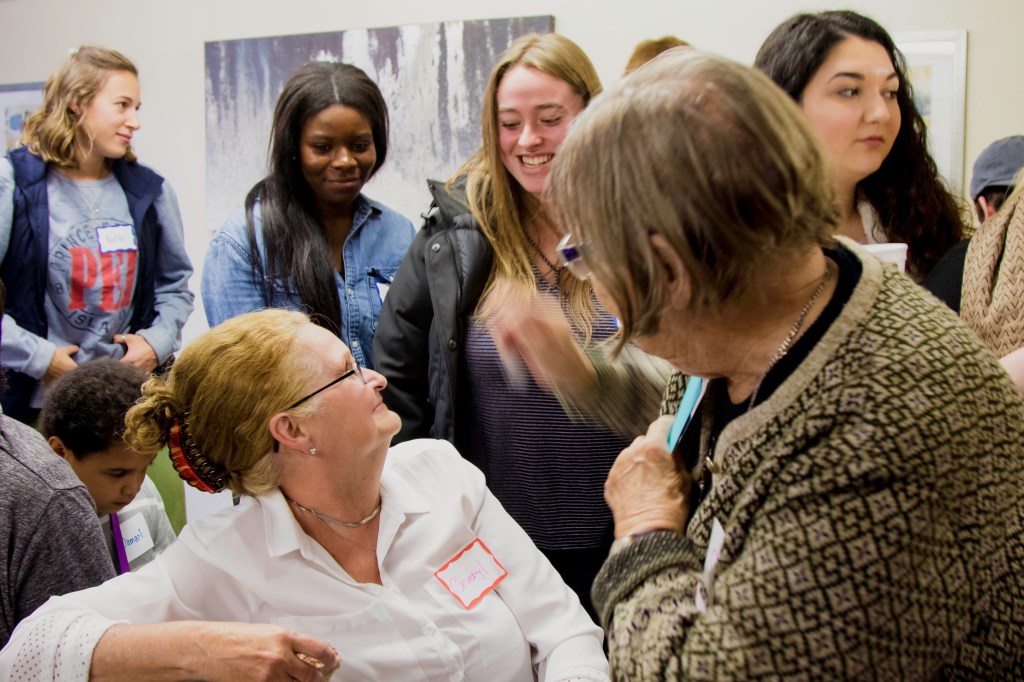
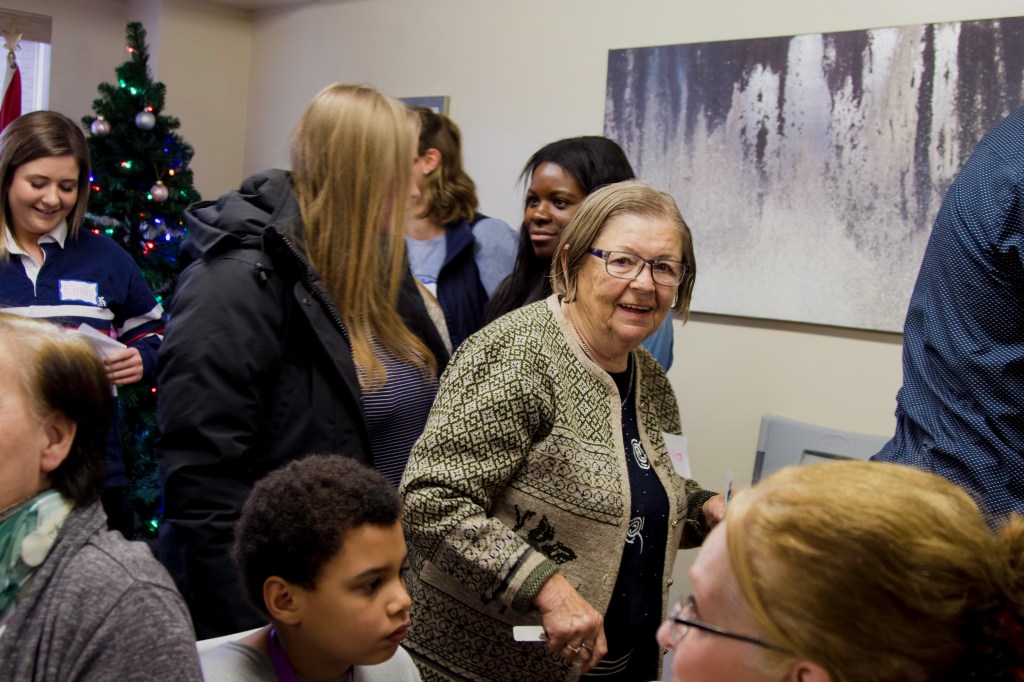
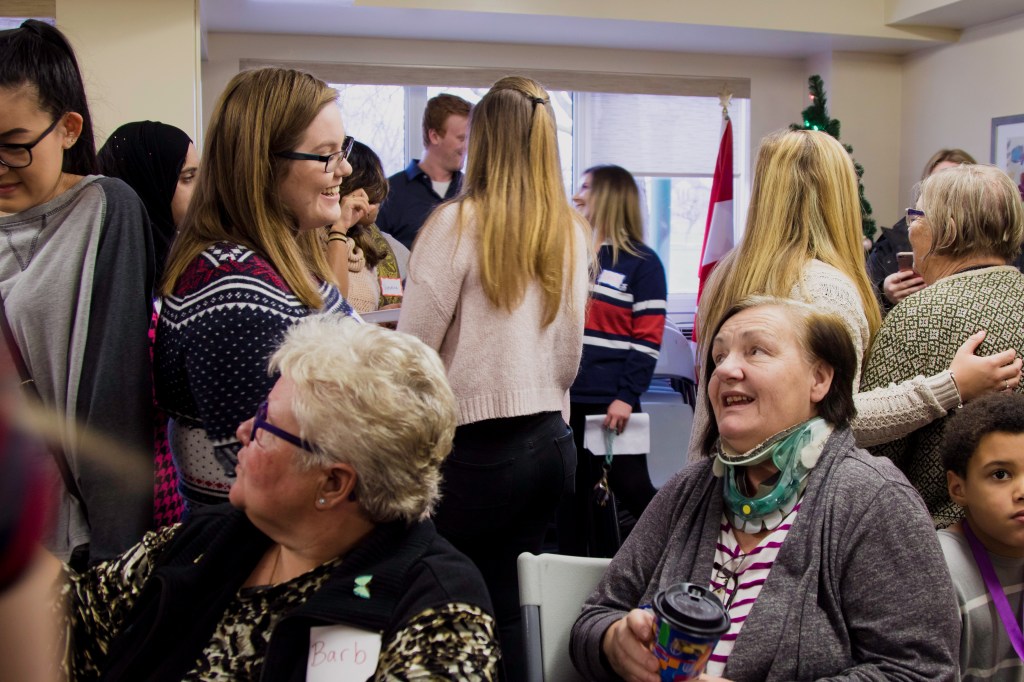
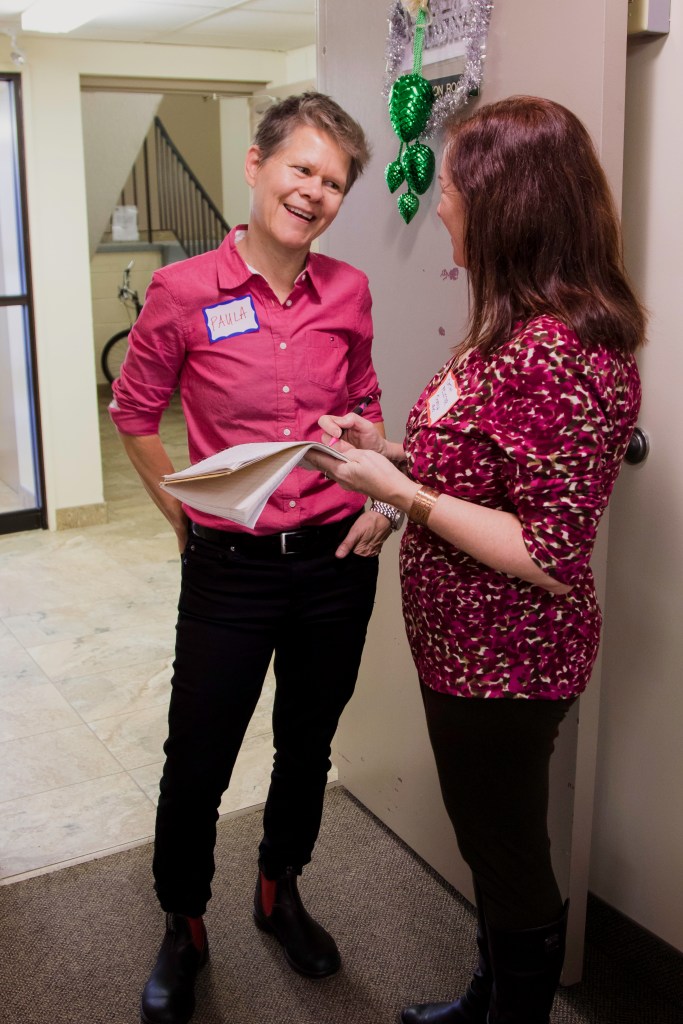
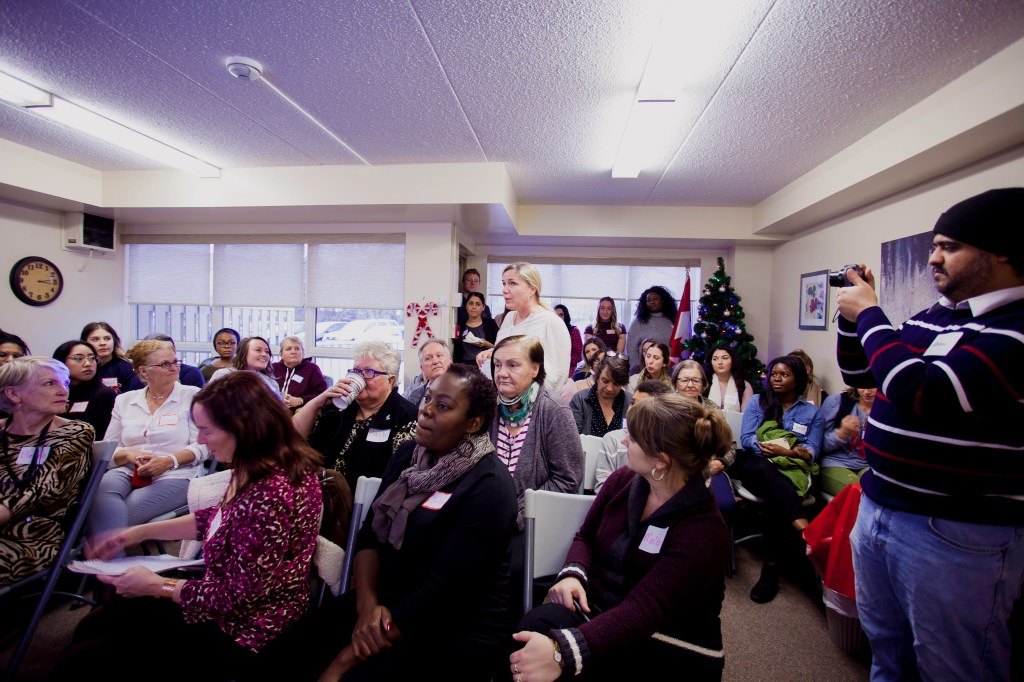
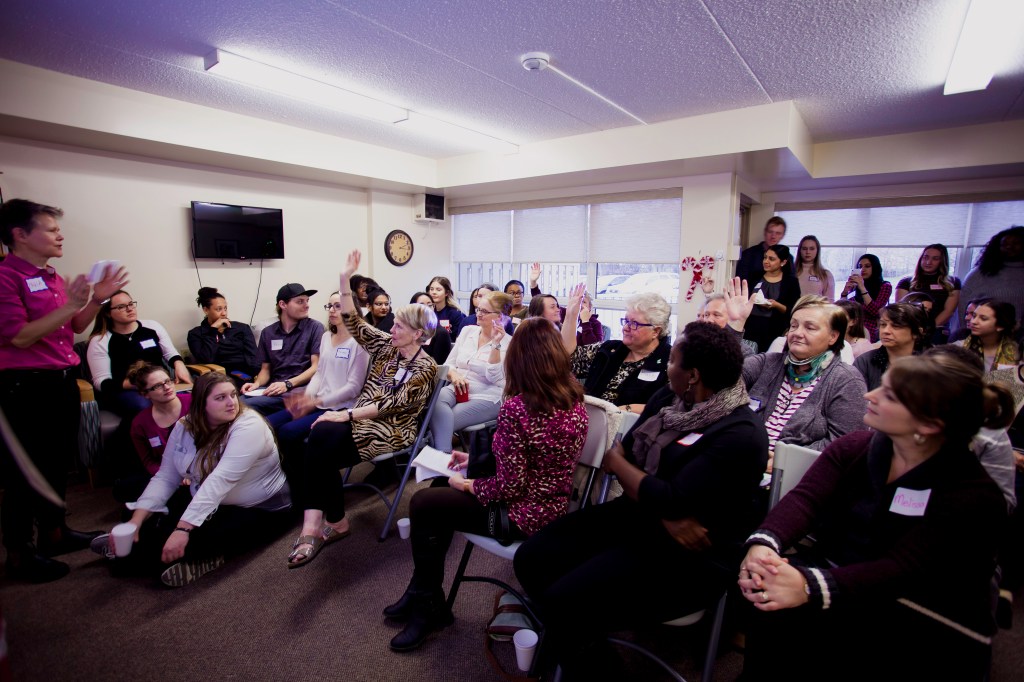
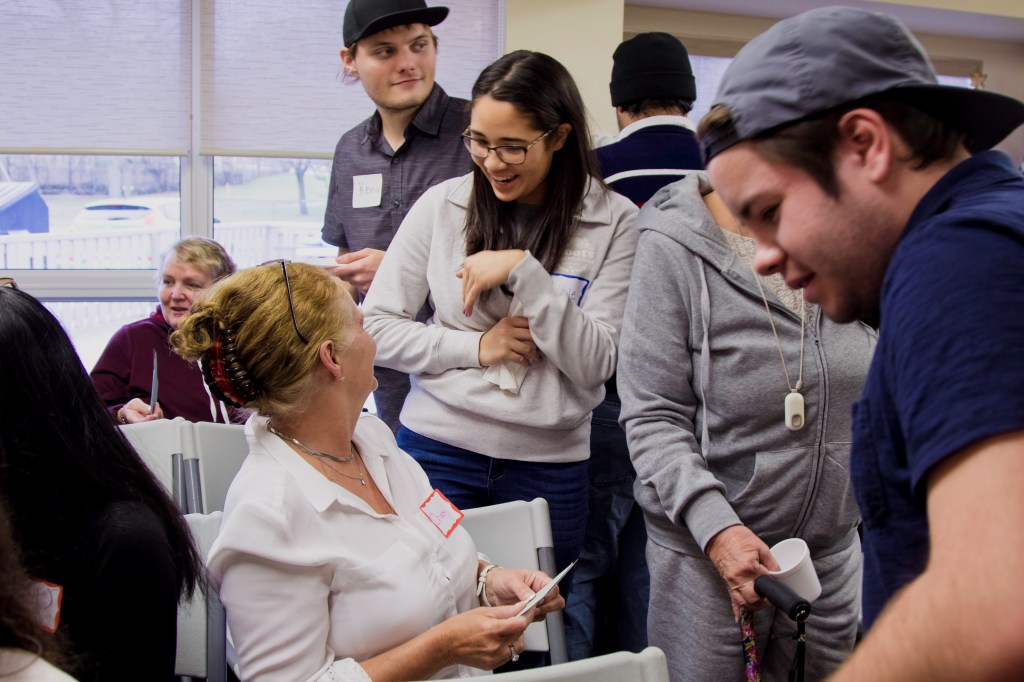
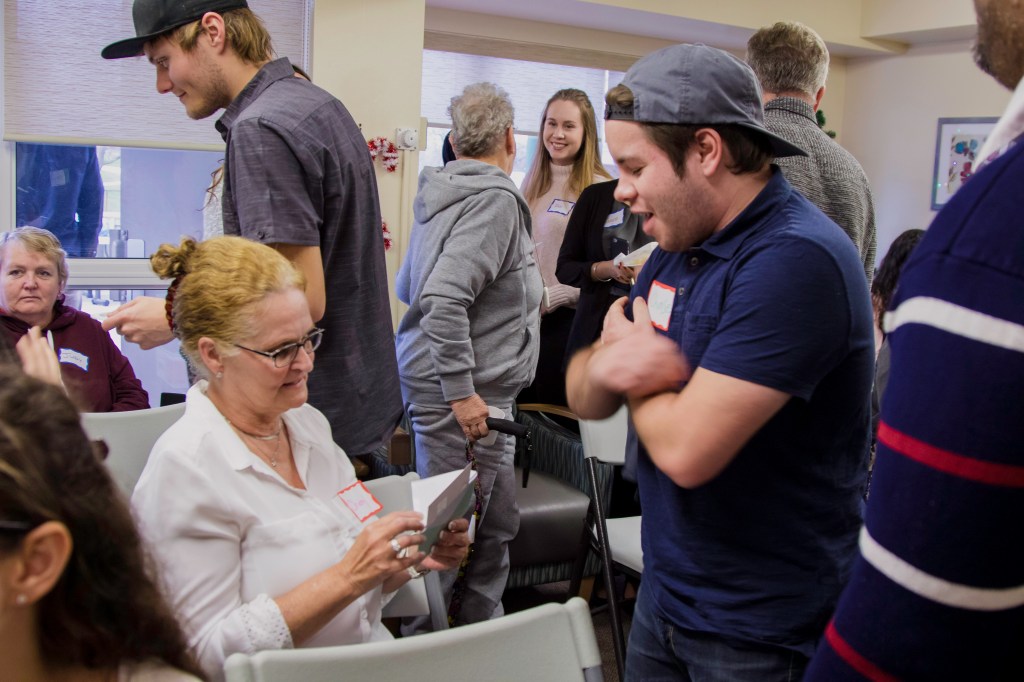
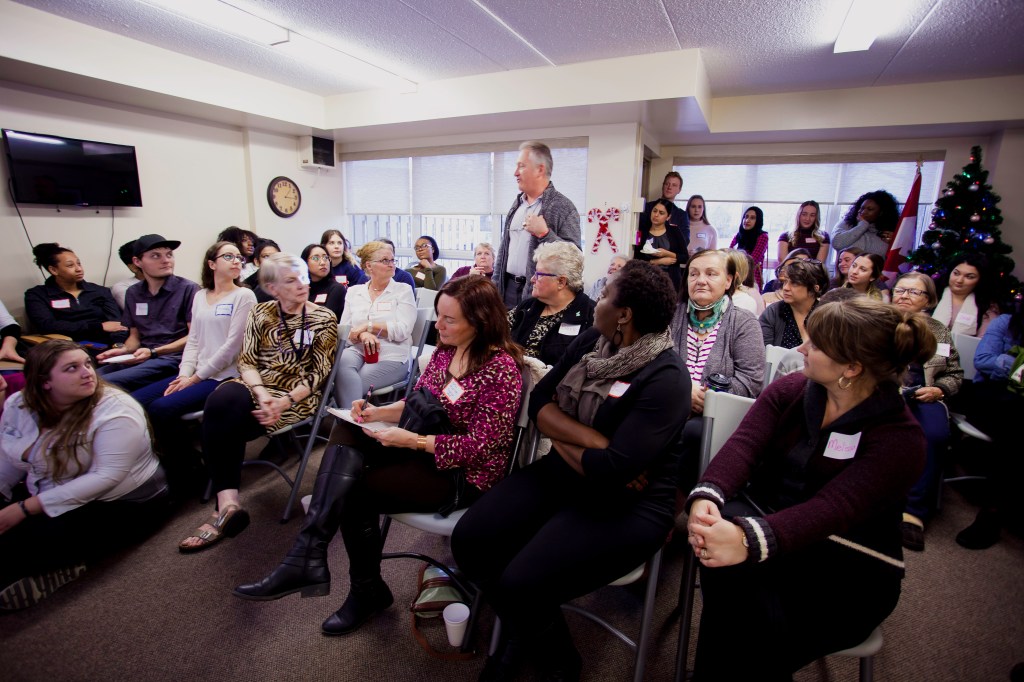
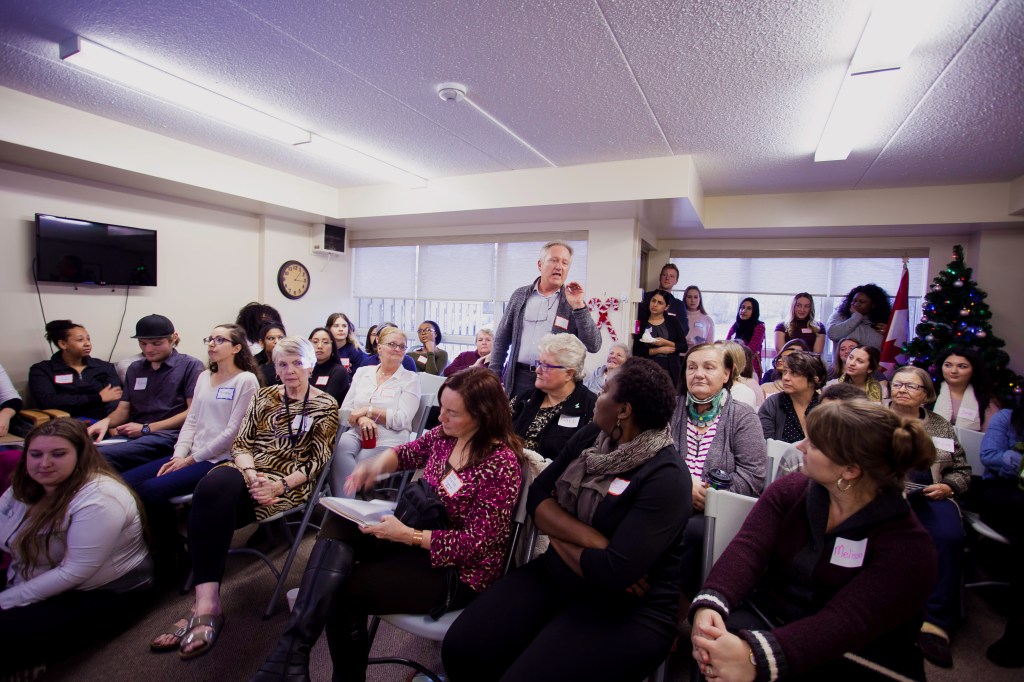
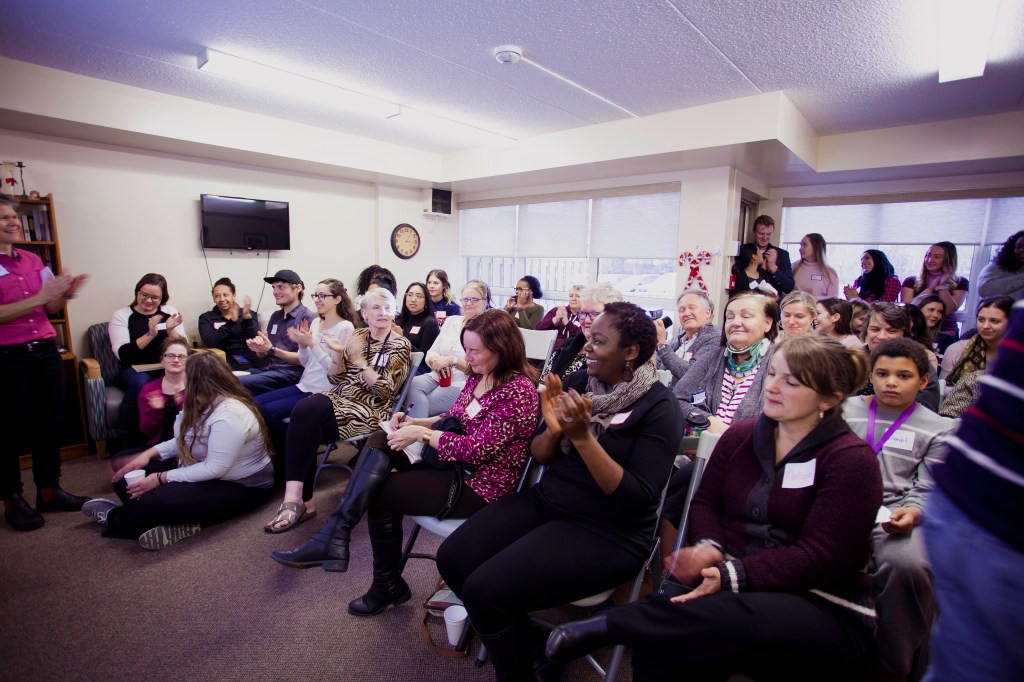
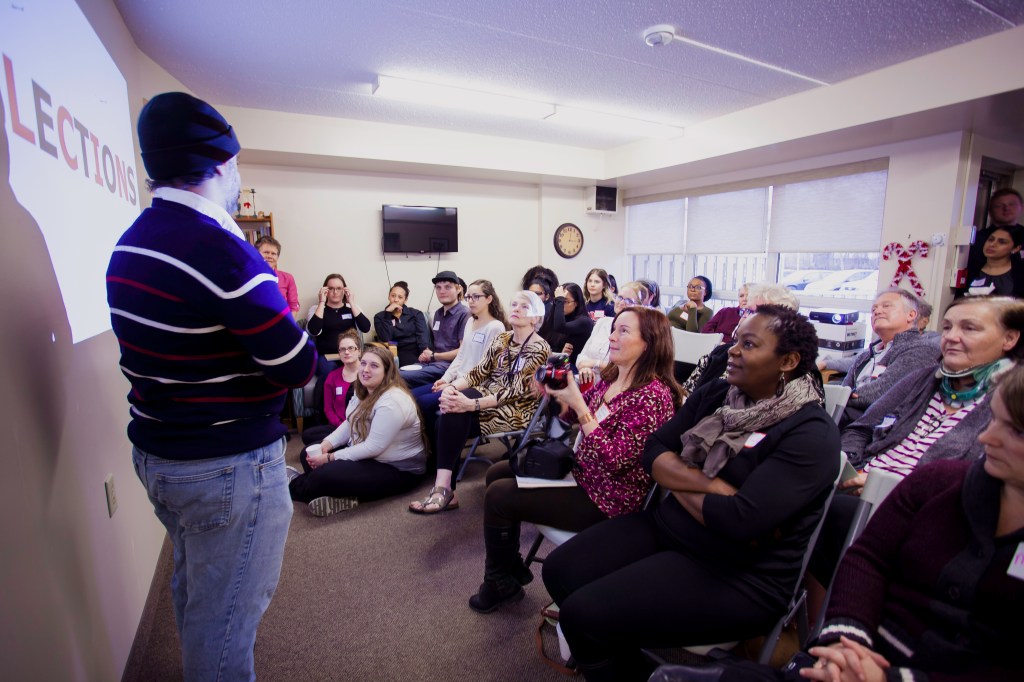
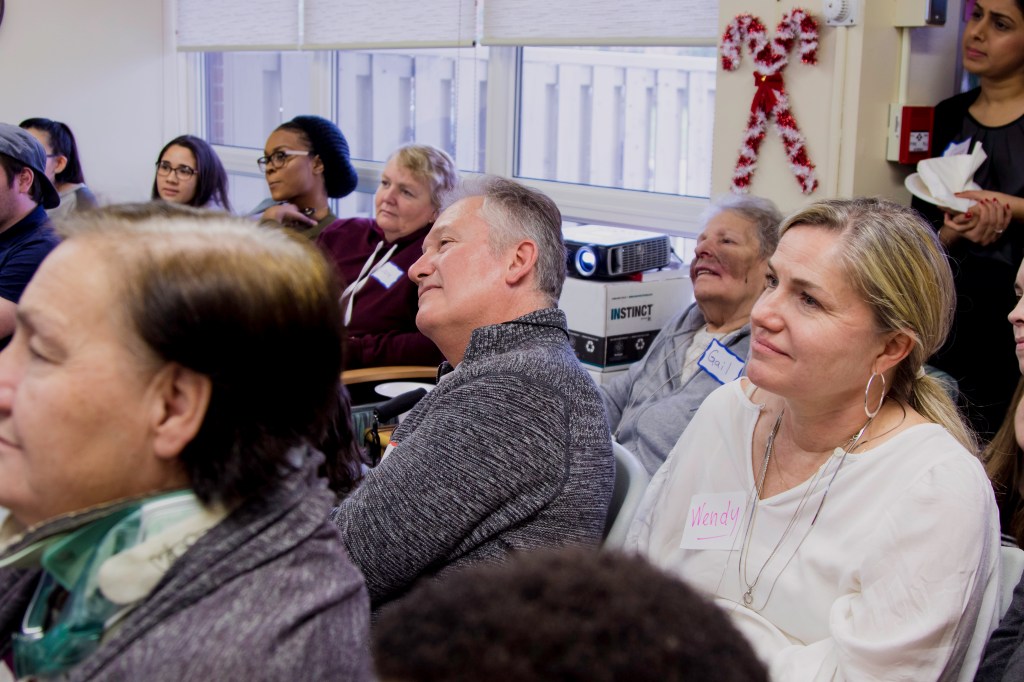
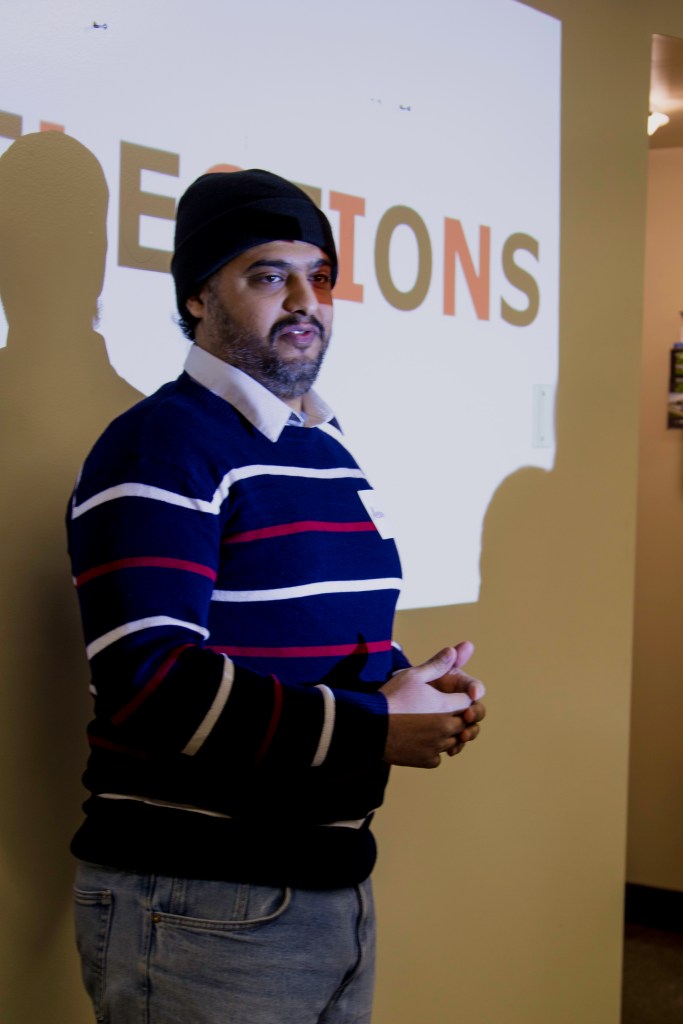
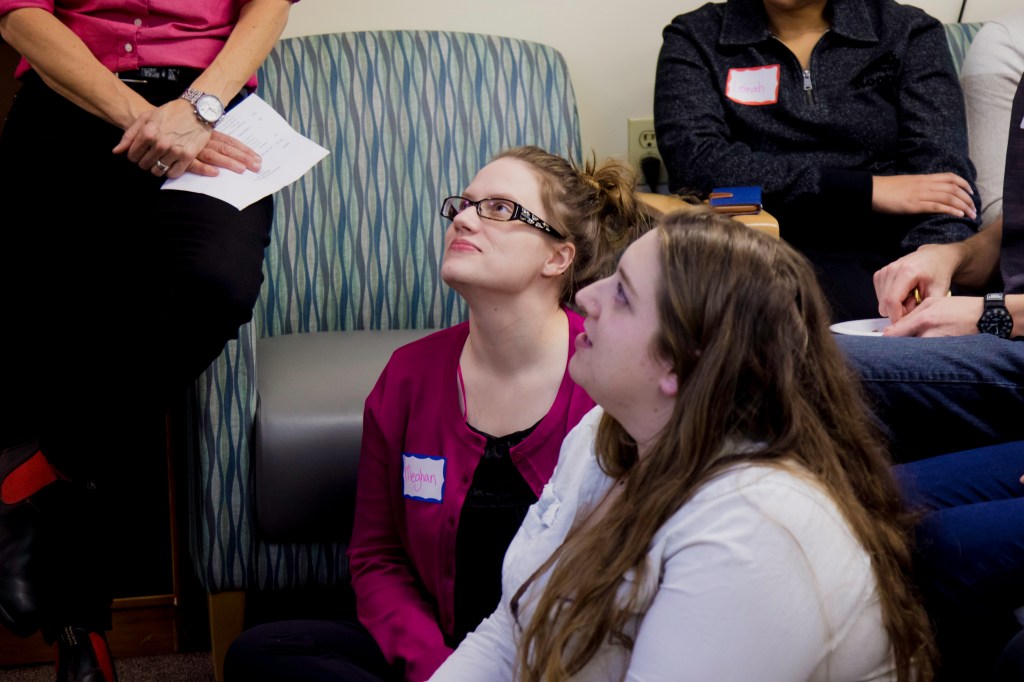
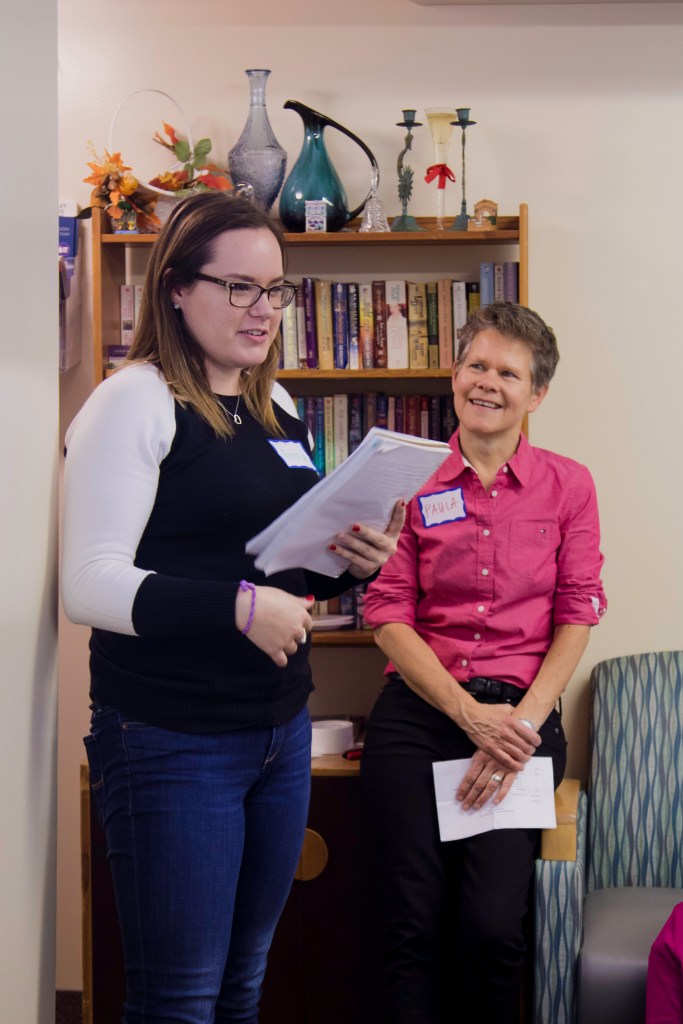
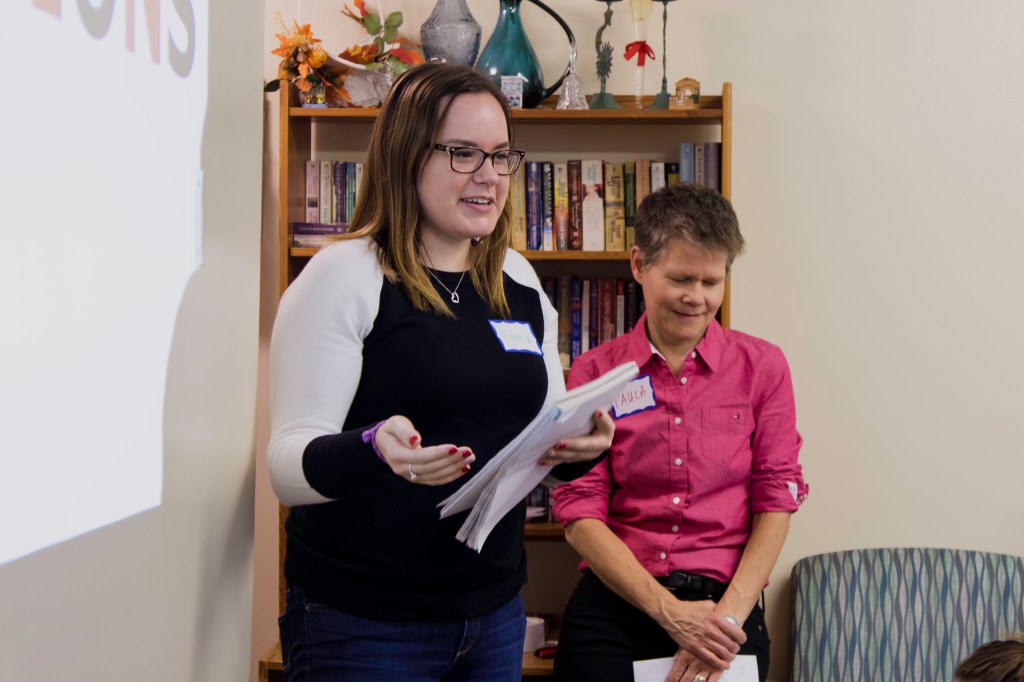
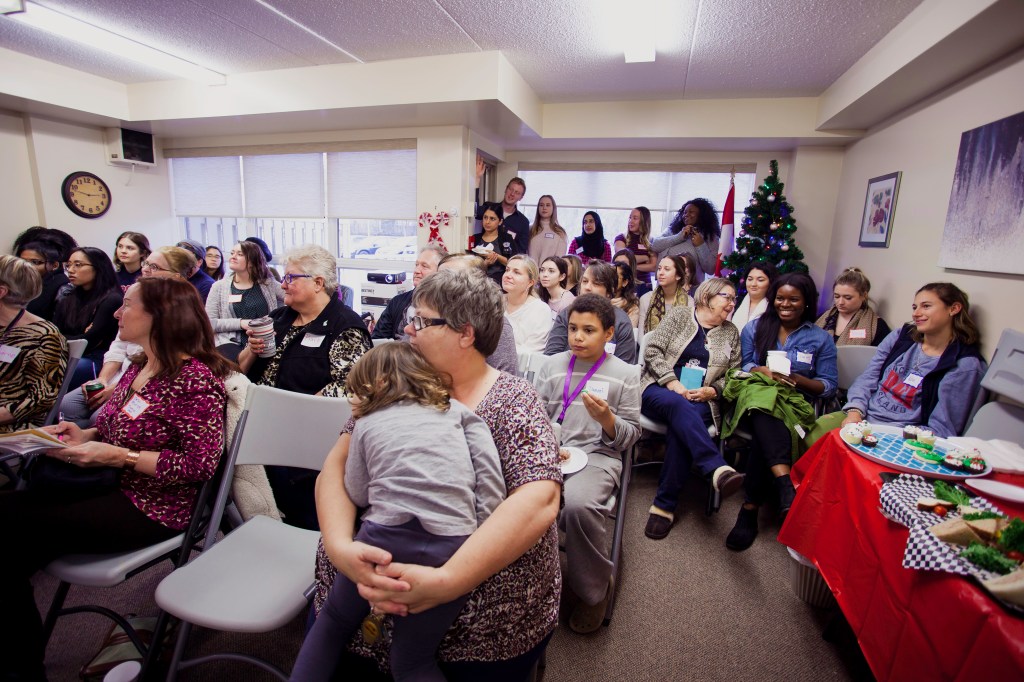
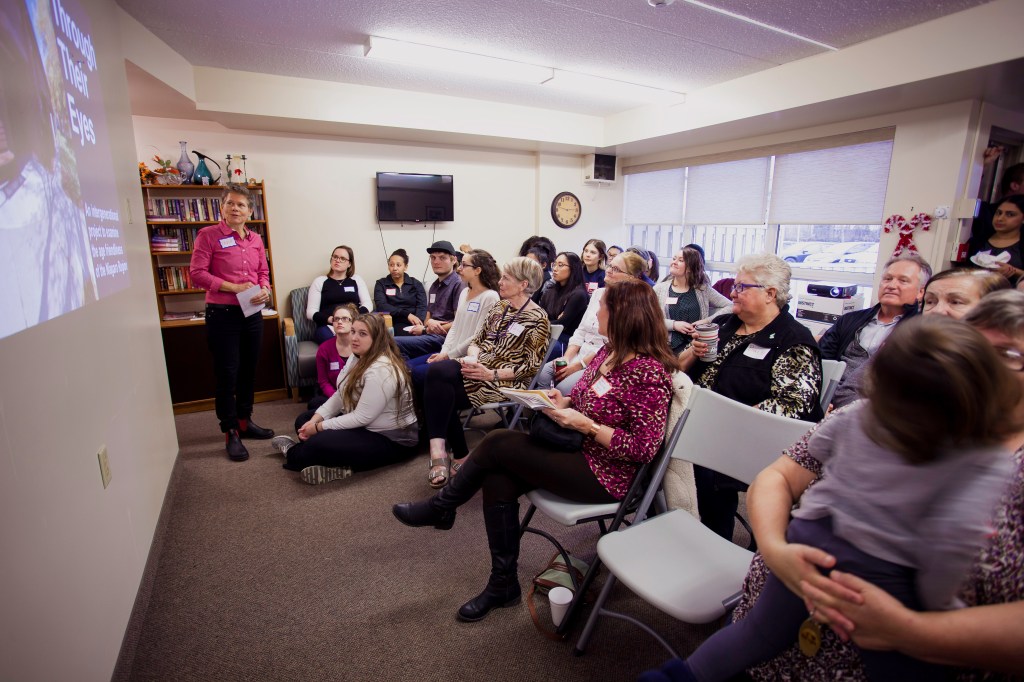
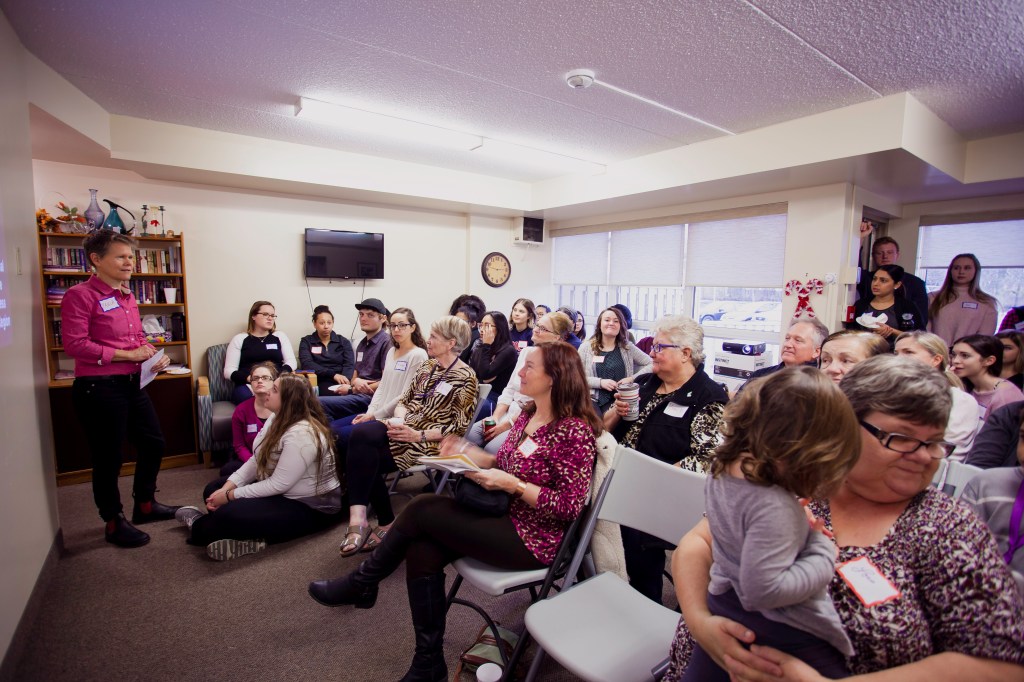
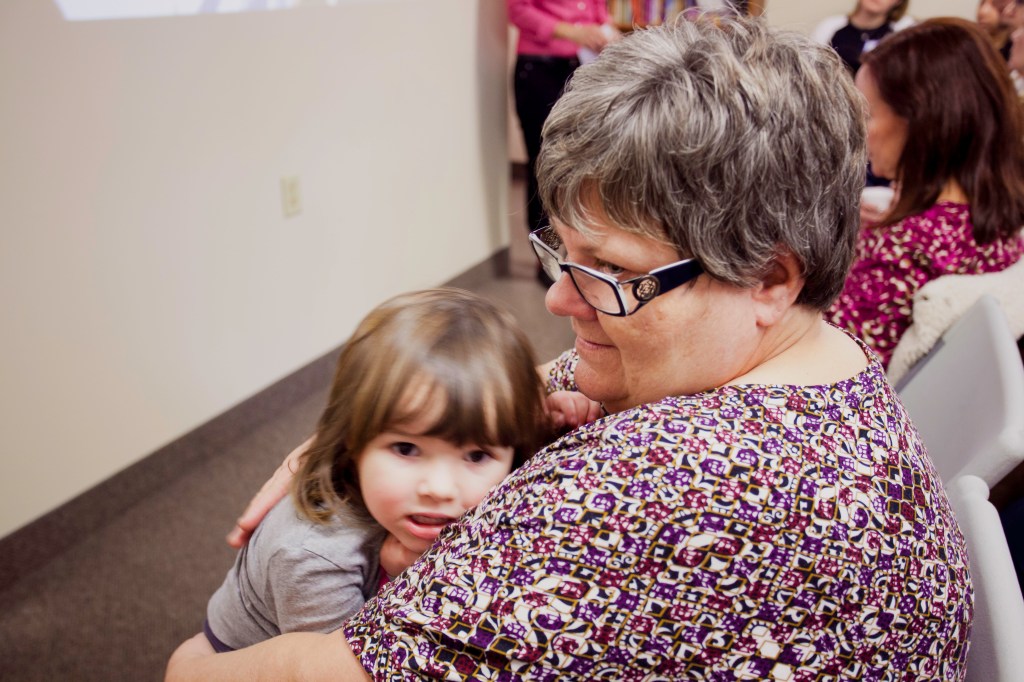
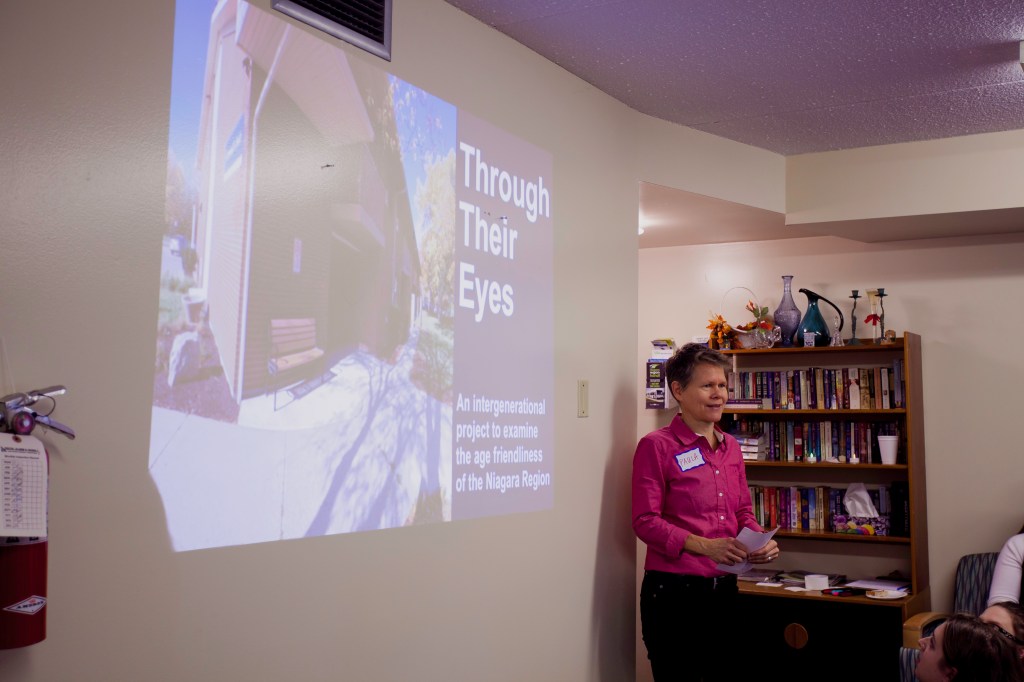
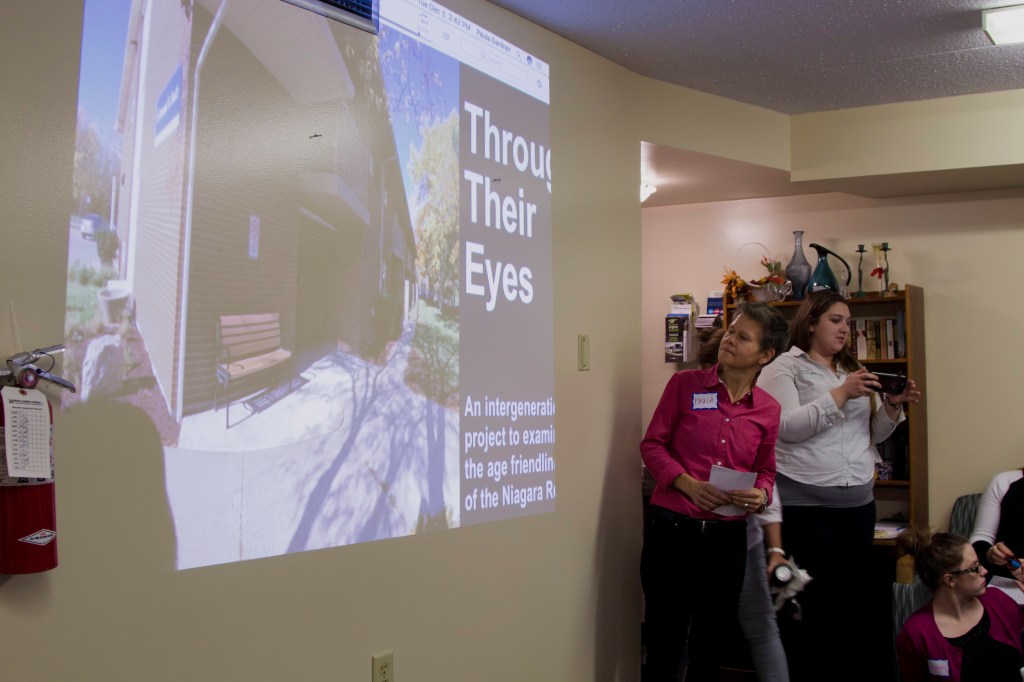
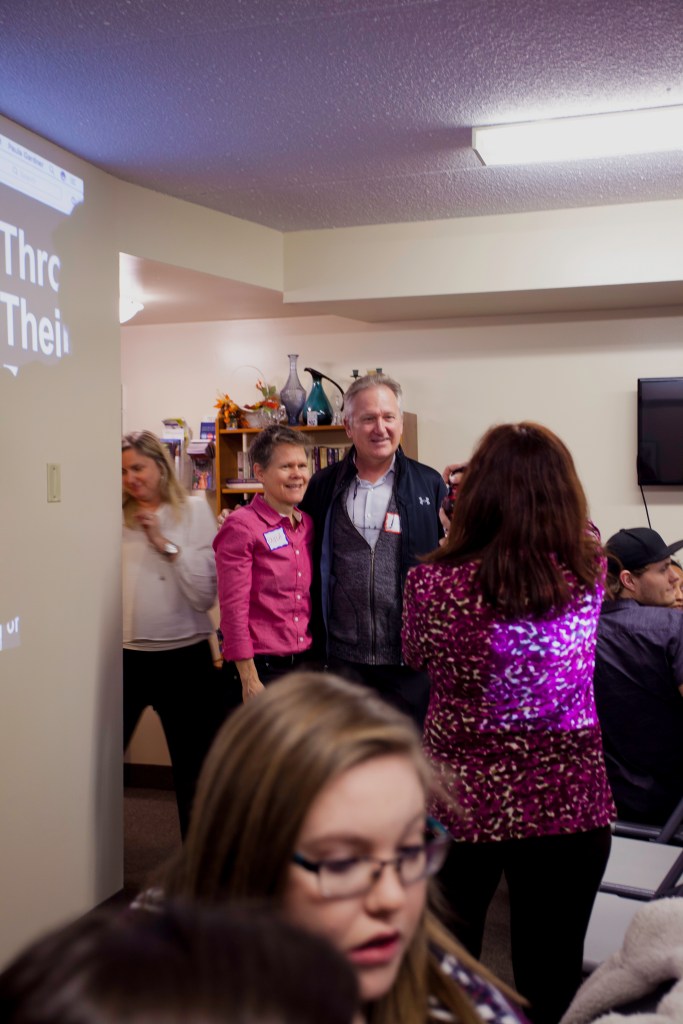
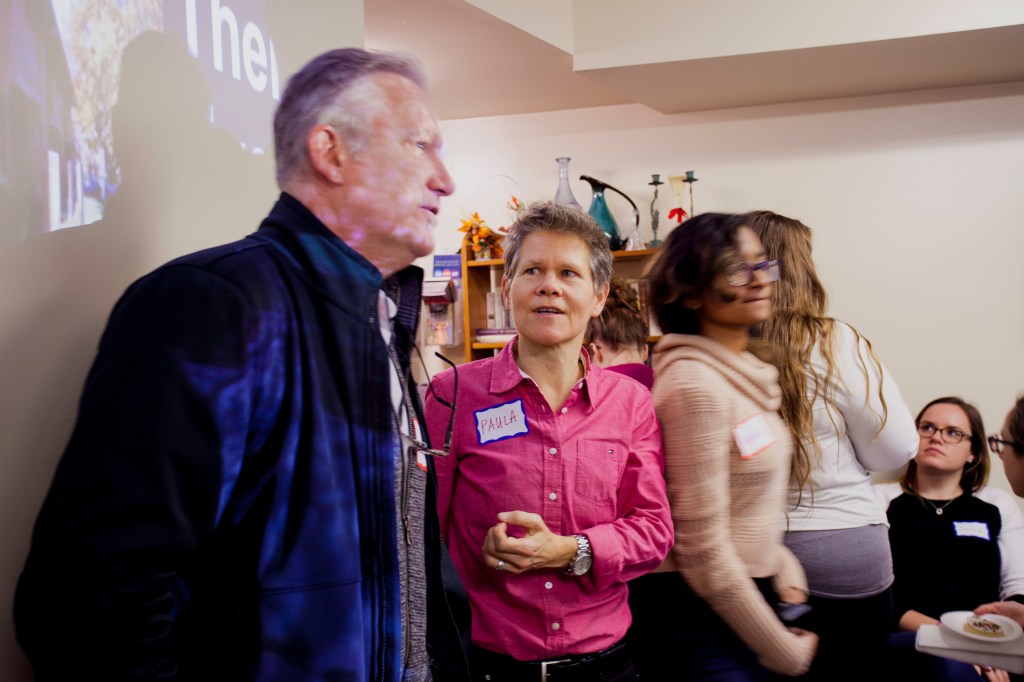
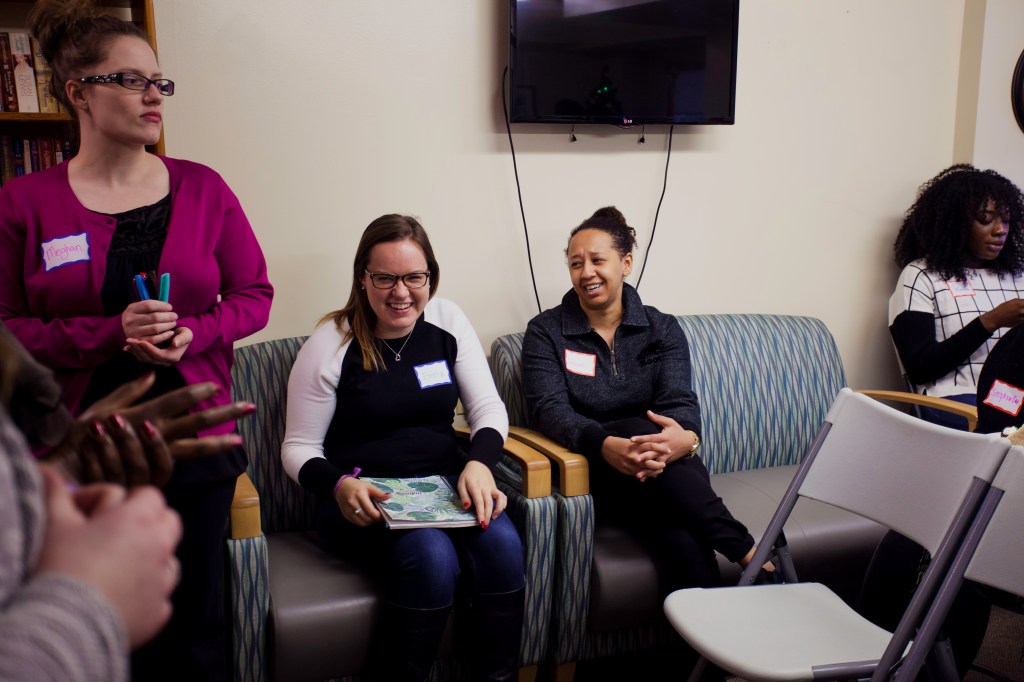
At the end of each term, the teams of students and seniors, along with project coordinators, partners, and public officials, gather for a community forum event to preview the preliminary findings of their research.
Progress
Since the first project at 45 Ormond Street, the community continues to provide a safe and welcoming space for its residents, close proximity to public transit and local activities, and has freshened the environment up event more with an outdoor garden.
Opportunities for Change
Some challenges for tenants remain for residents. The following opportunities were identified to improve the age-friendliness of the community, including implementing a laundry schedule and/or adding more washing machines, adding a bench and shelter to the nearby bus stop, adding a crosswalk, adding a speed sign, organizing more events in the community, making WiFi accessible to all residents and innovating bulletin board announcements.
The following videos highlight the preliminary findings gleaned from each student groups’ qualitative research gathered throughout the intergenerational project.
Summary of Findings: 2023
Summary of Findings: 2017
GIS Mapping
The 2017 Through Their Eyes project included GIS mapping of the frequented areas surrounding 45 Ormond Street. This element of the project’s research enhanced our ability to assess the age-friendliness of the neighbourhood. With the help of staff from the Map Library at Brock University, students gained new skills in ARC – a Geographical Information System (GIS) software program.
GIS is a computer system that allows you to view information about a geographical area (in this case, the Gale Crescent community) in the form of a map. The students used these maps to pinpoint the domains of an age-friendly community such as the community’s parks and green spaces, transportation routes, and locations of nearby supermarkets, churches, and health services.
“I personally feel like ARC maps helped me grow academically. At the beginning of the course I did not understand why we were learning how to map (truthfully I was confused). However, by completing the assignment and writing two paragraphs about why I thought this knowledge is useful to others and me in public health really made me realize how important it actually is. GIS can relate in a future career for me when I am researching which area needs the most help. I hope to go into Epidemiology so mapping can specifically help me with incidence, spread, and control of disease. This will allow me to see particular patterns and trends in the distribution of illness with specific demographics.” – Student
These maps were also used to plot the routes that the residents mentioned they typically used in order to better understand their community experience from a bird’s eye view.
Overall, the maps and mapping skills were found to be a useful tool adding another layer to our understanding of a community and its age-friendliness.
Have a look at some of the maps from the 2017 project.
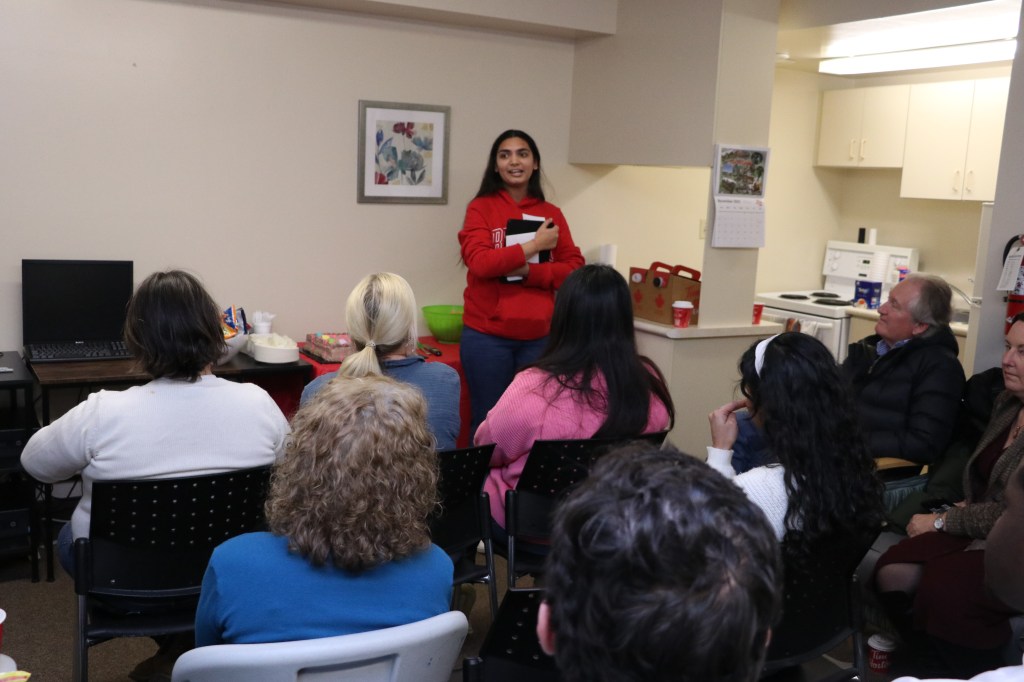
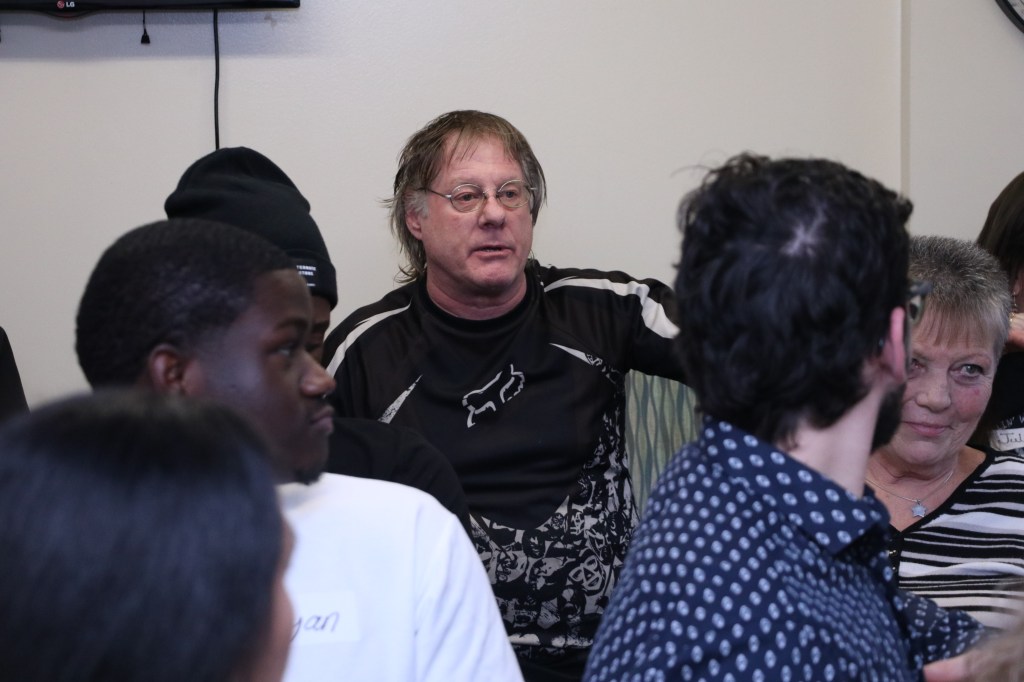
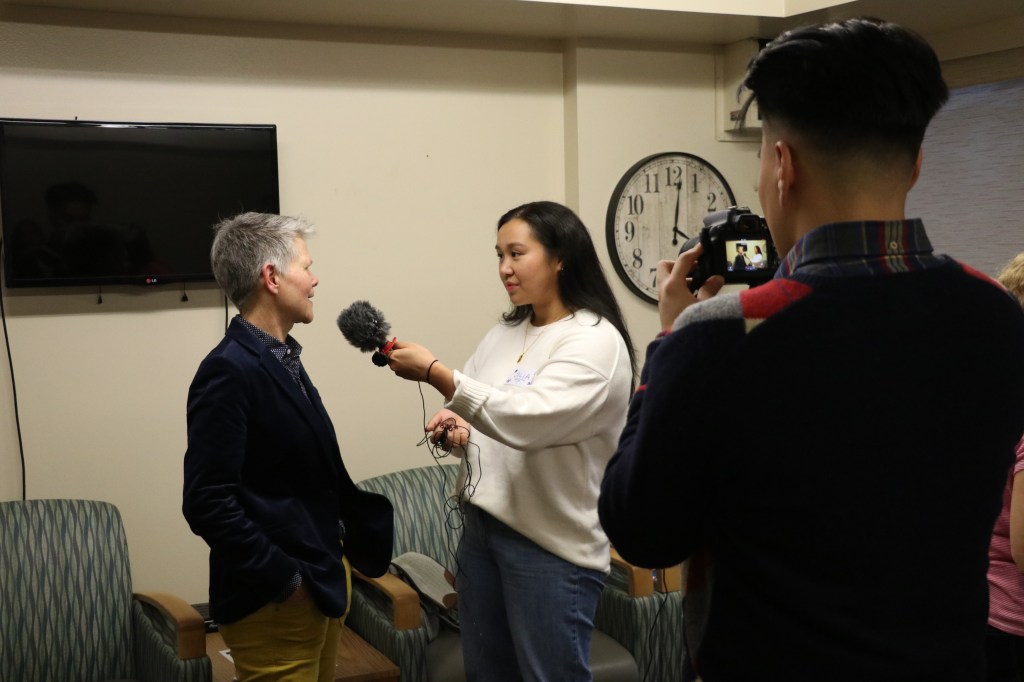
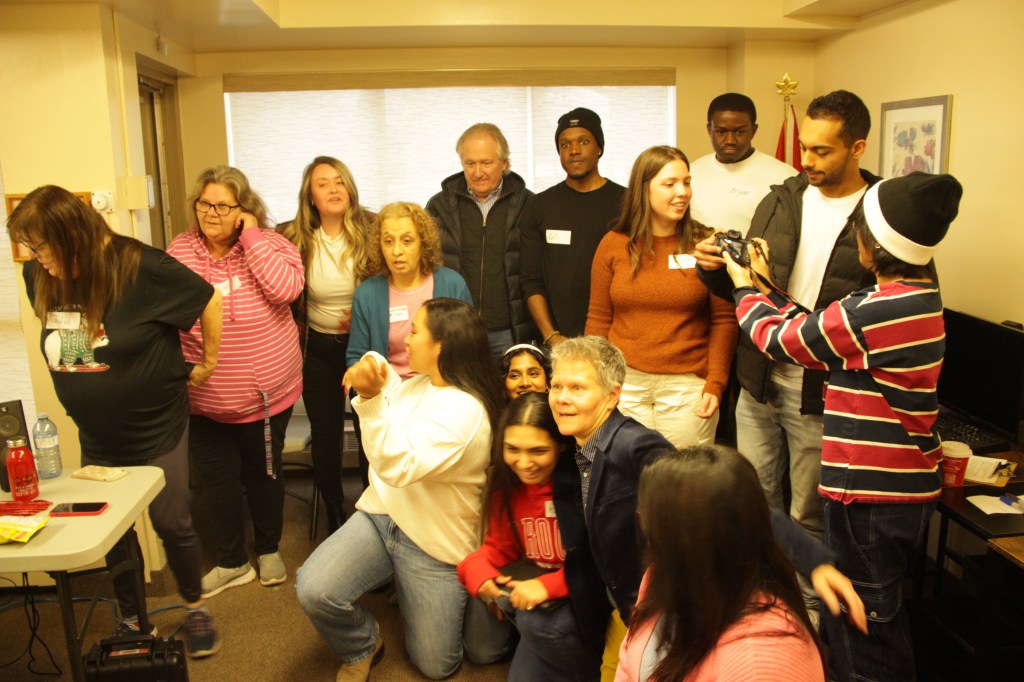
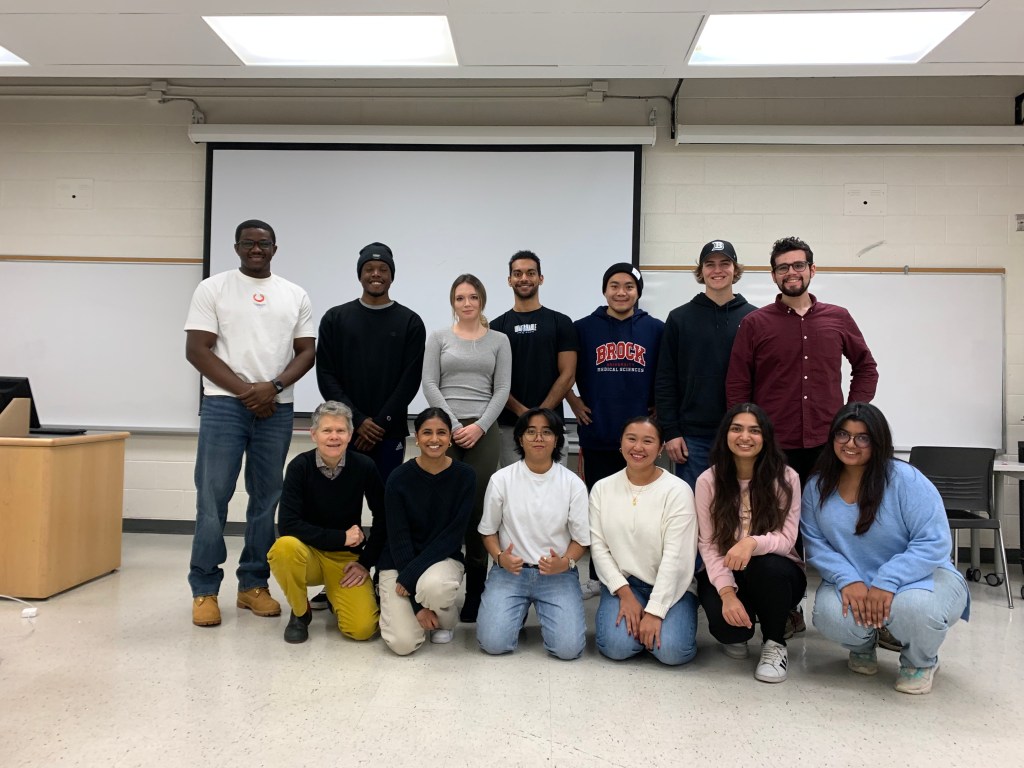
Photo Gallery: 2023 Community Forum

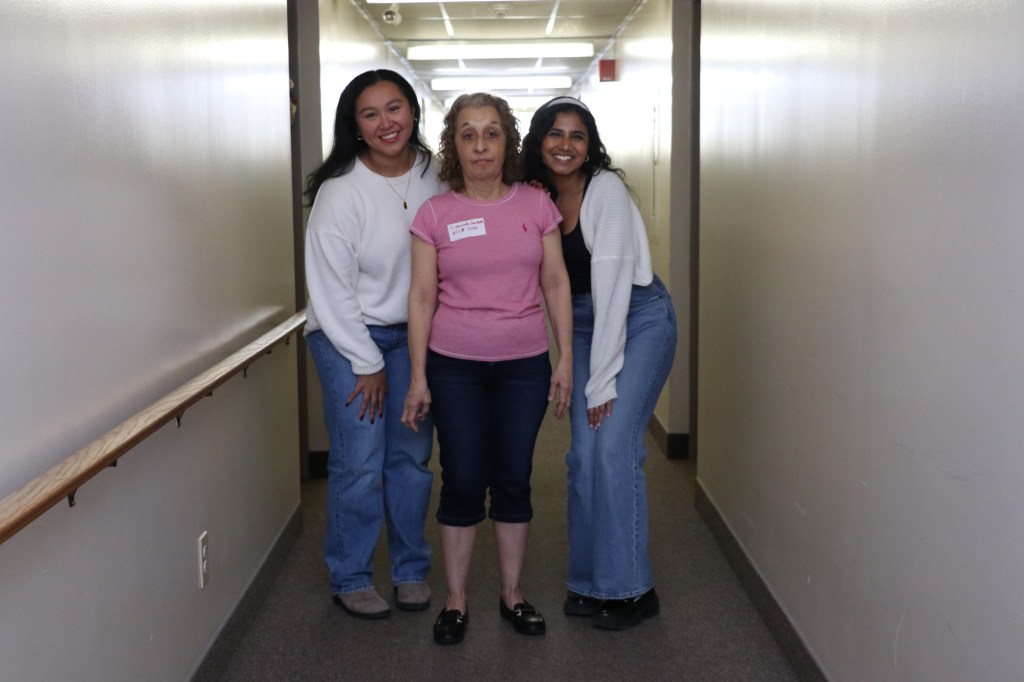


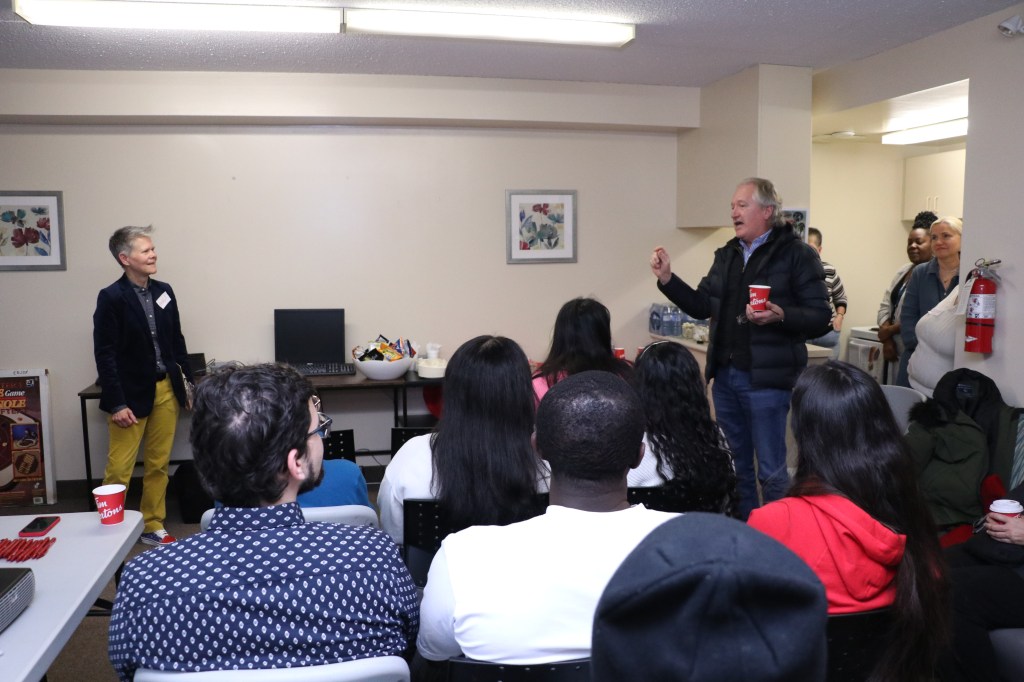
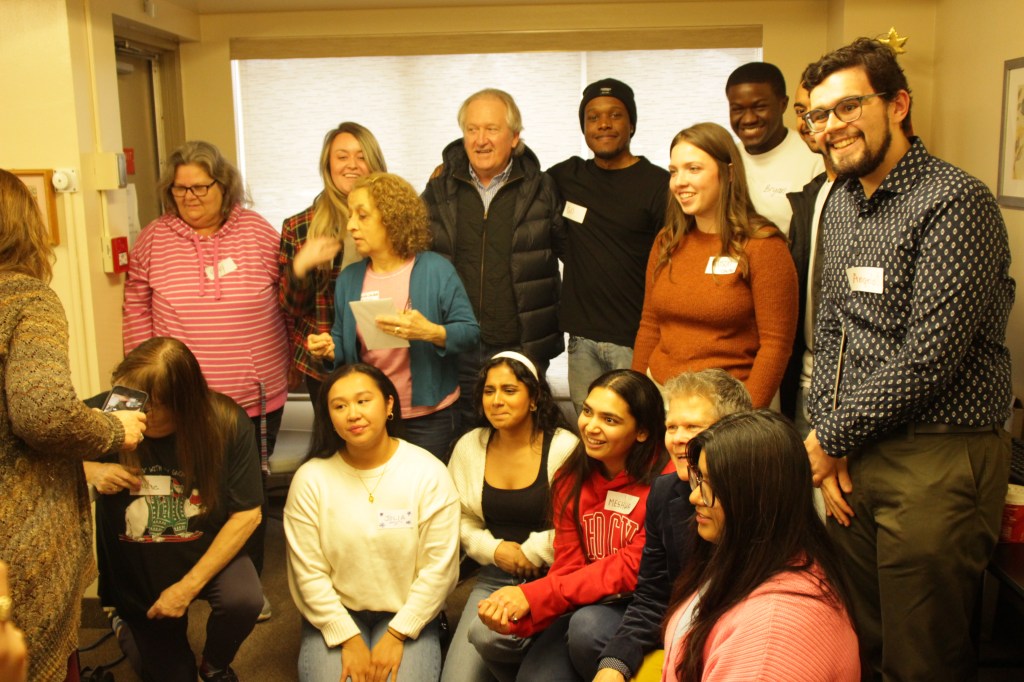
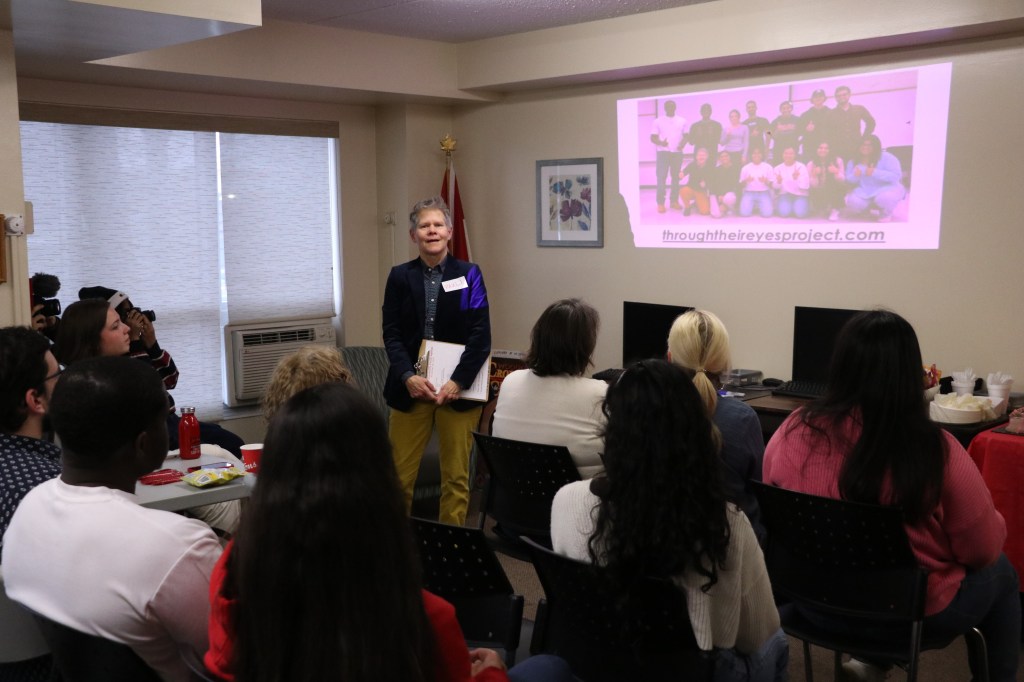








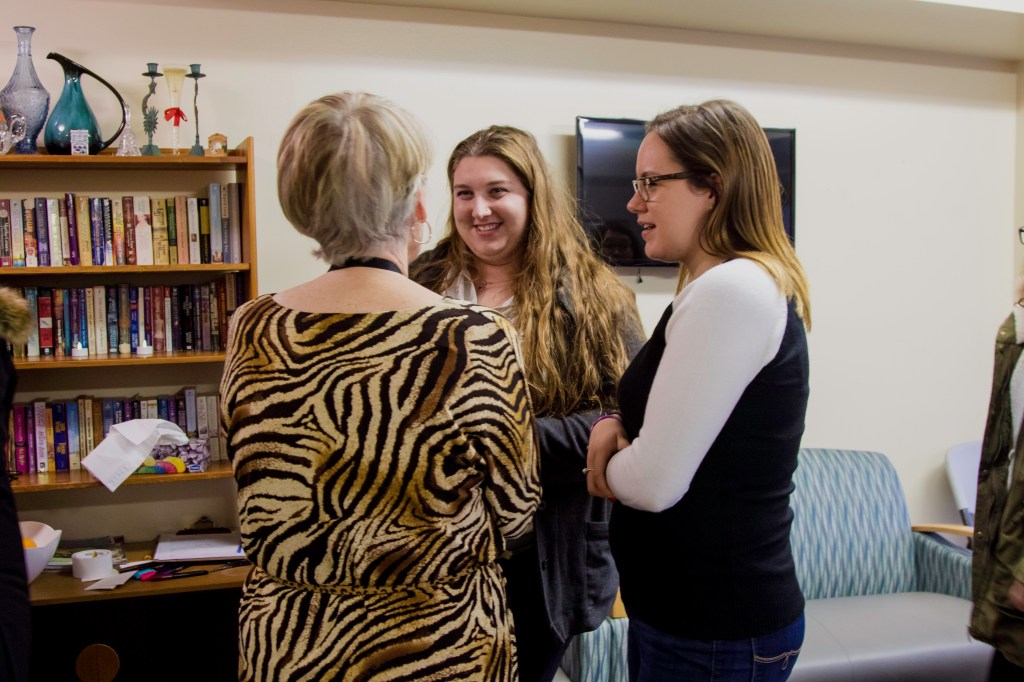
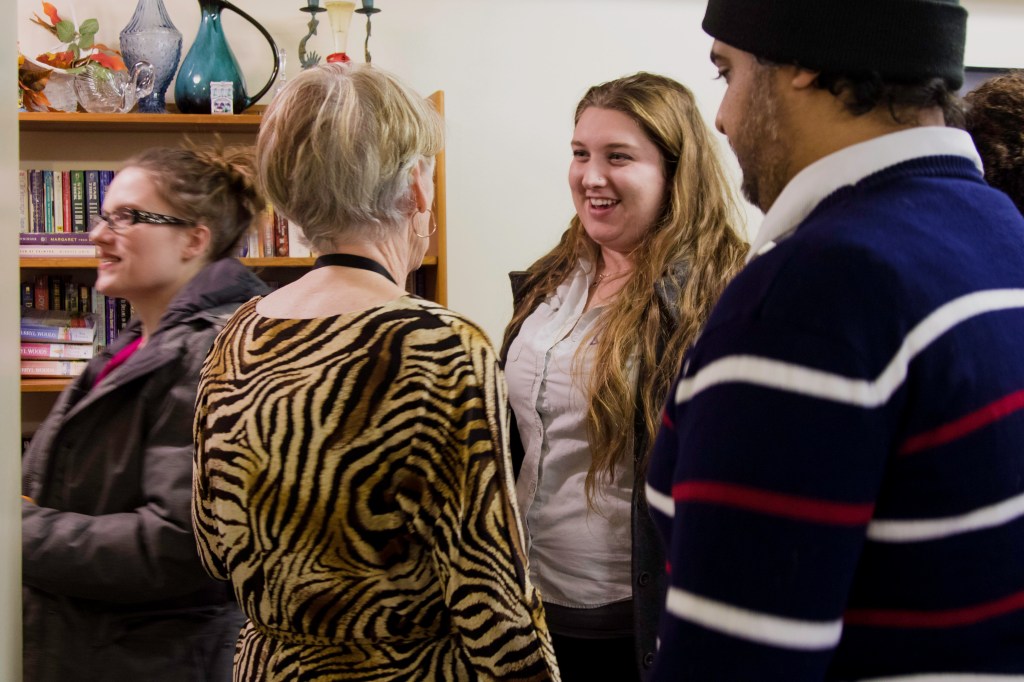
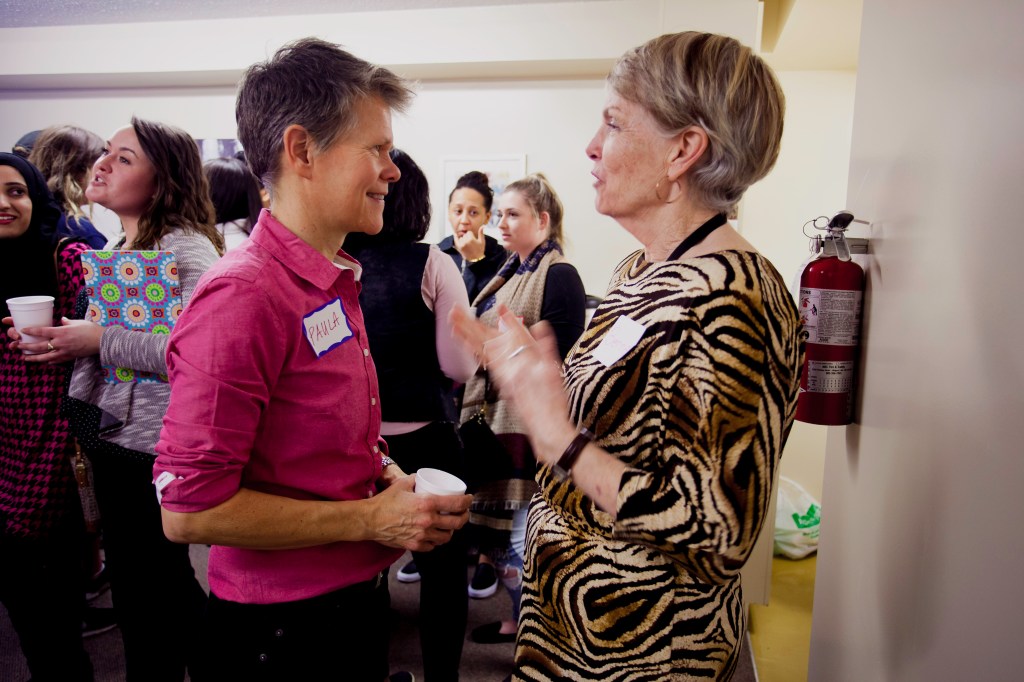
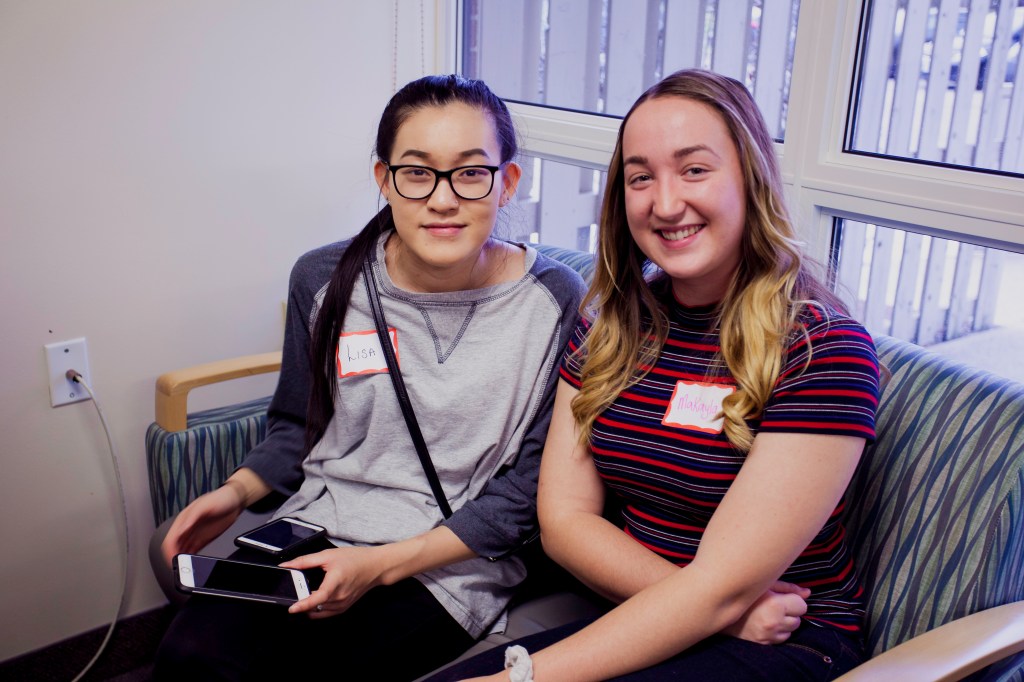
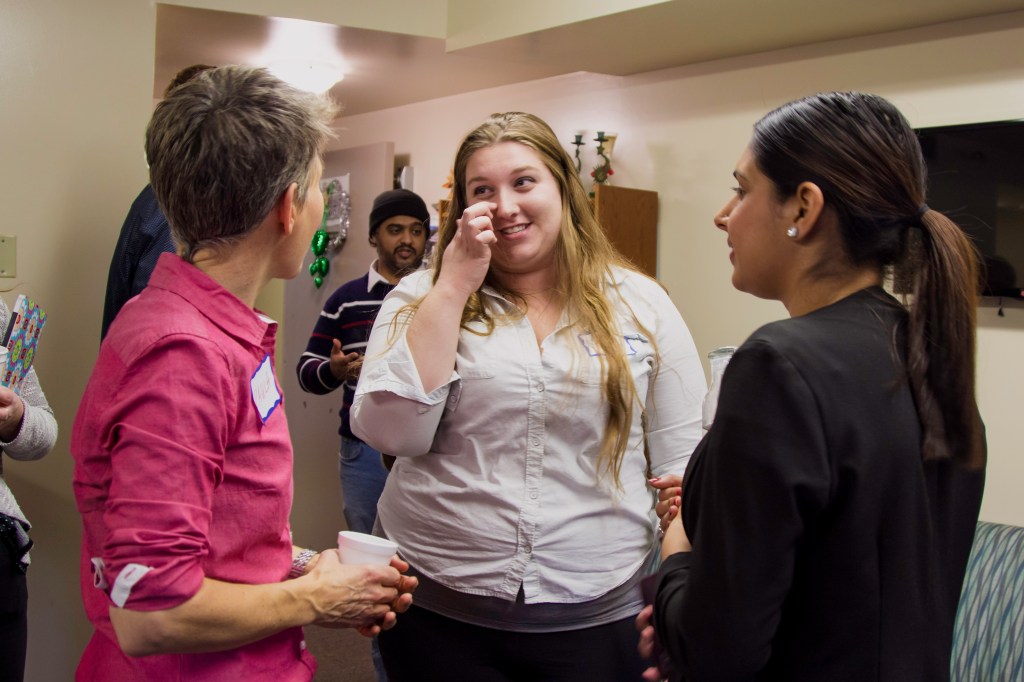
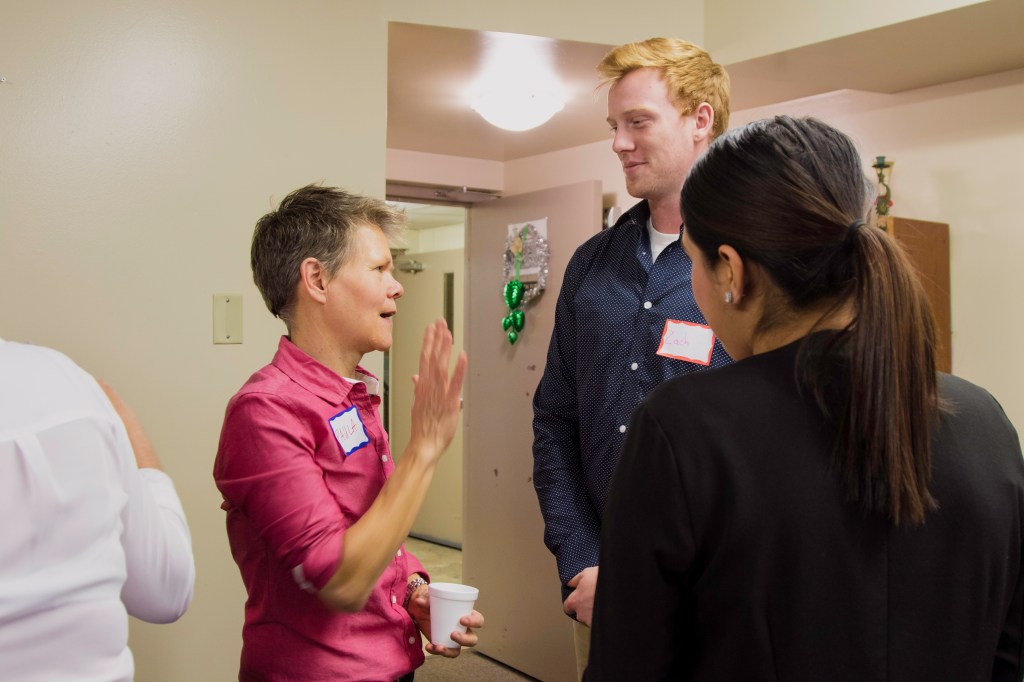
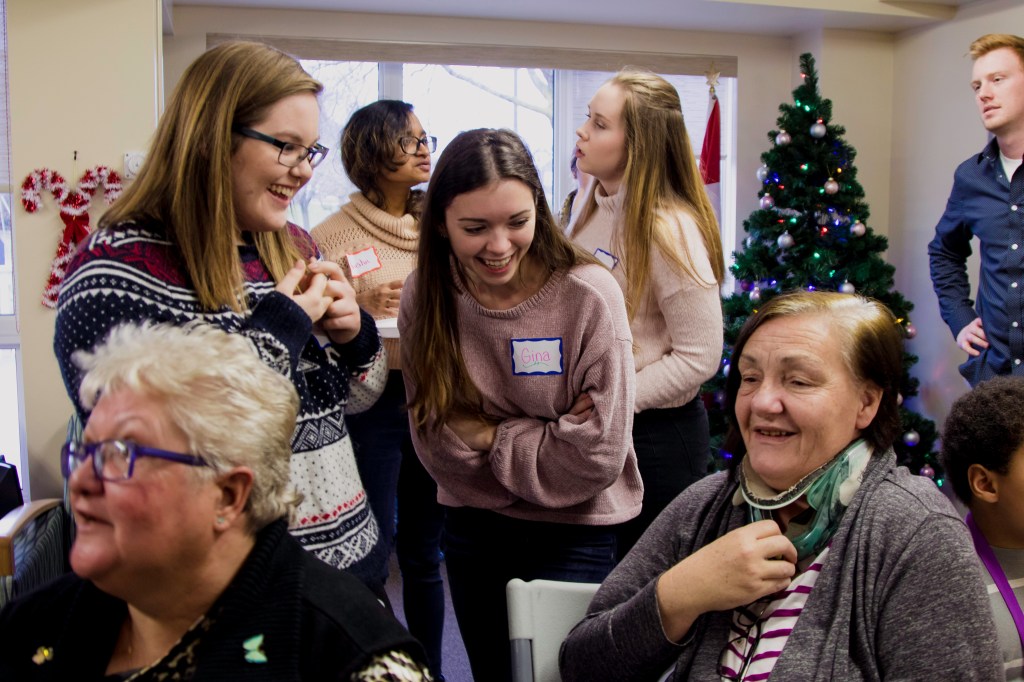
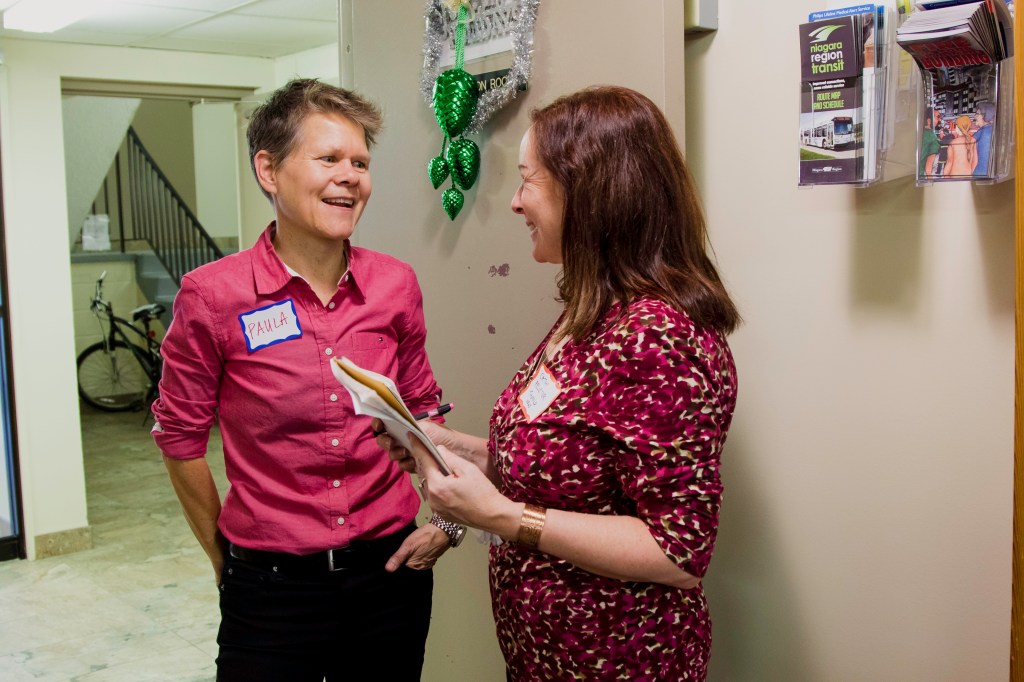
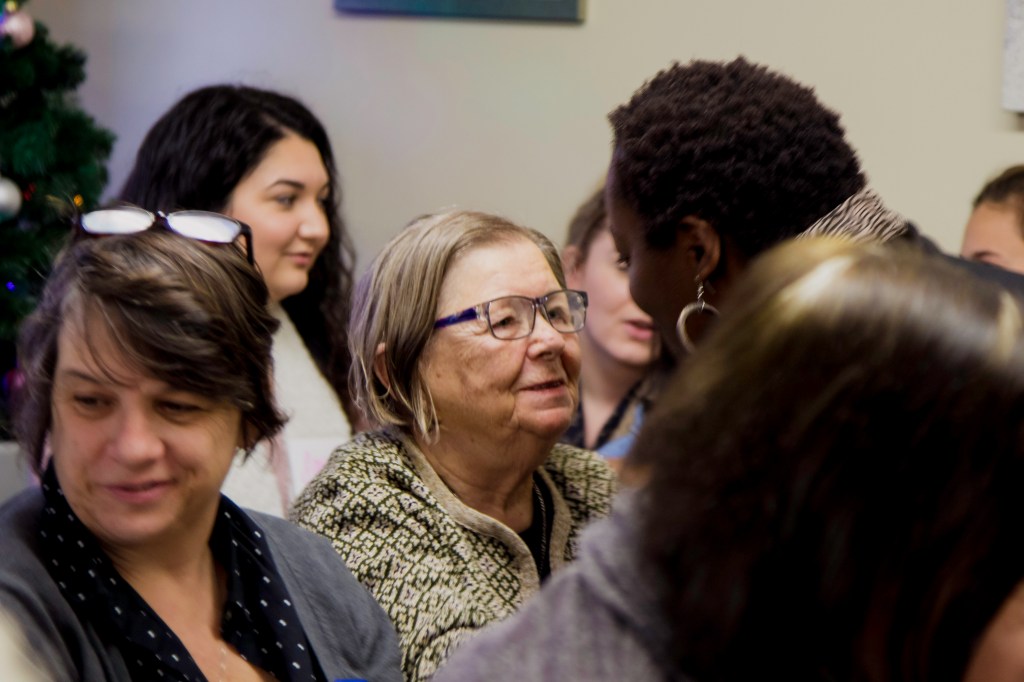
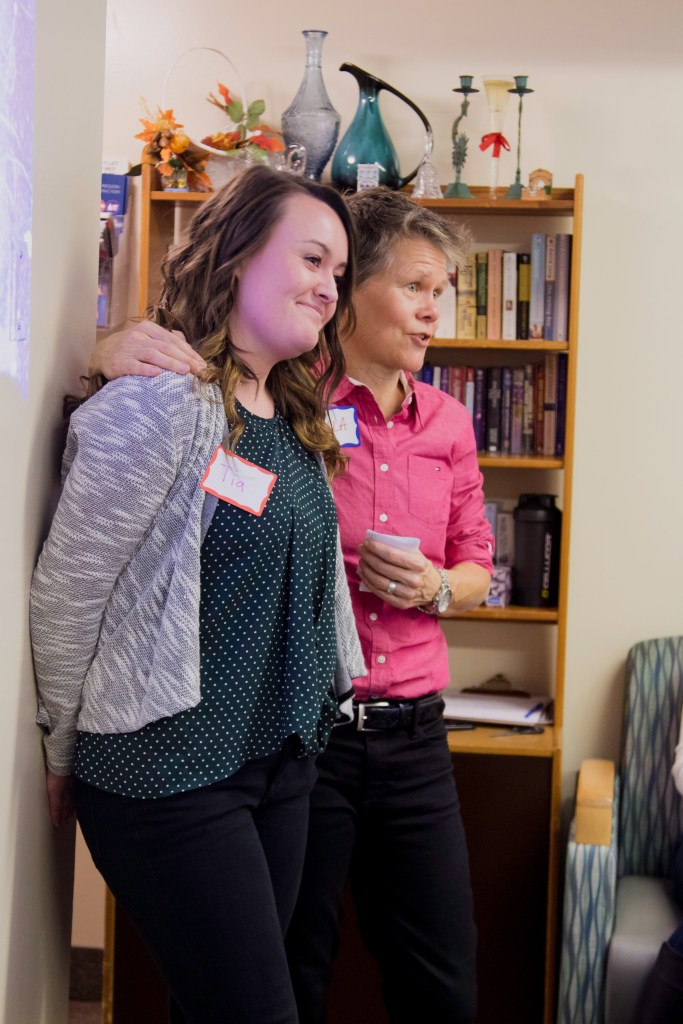
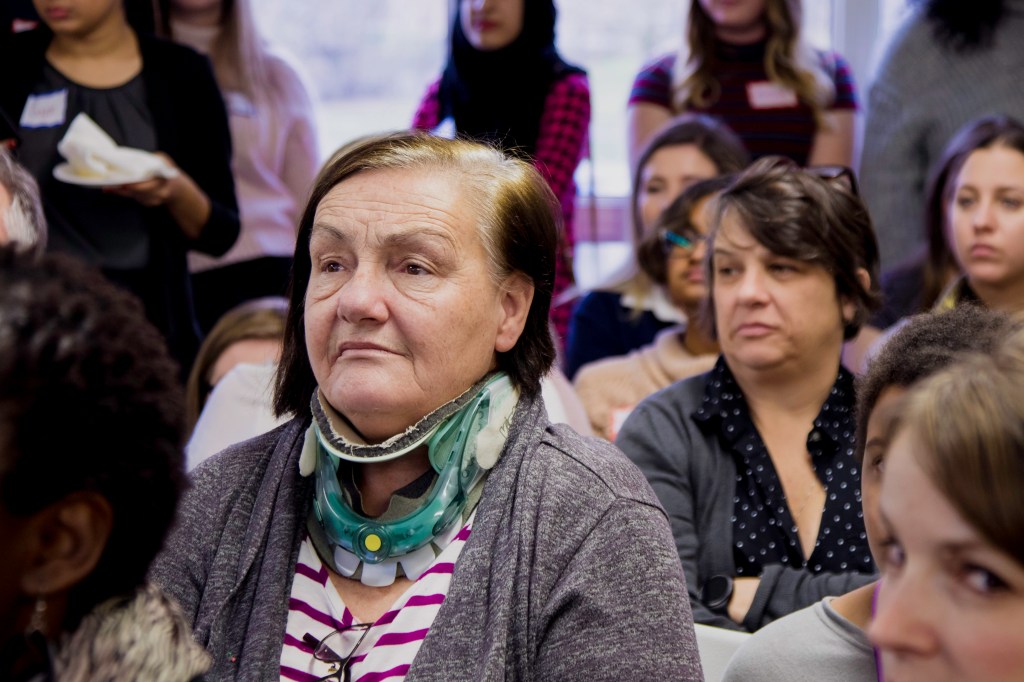
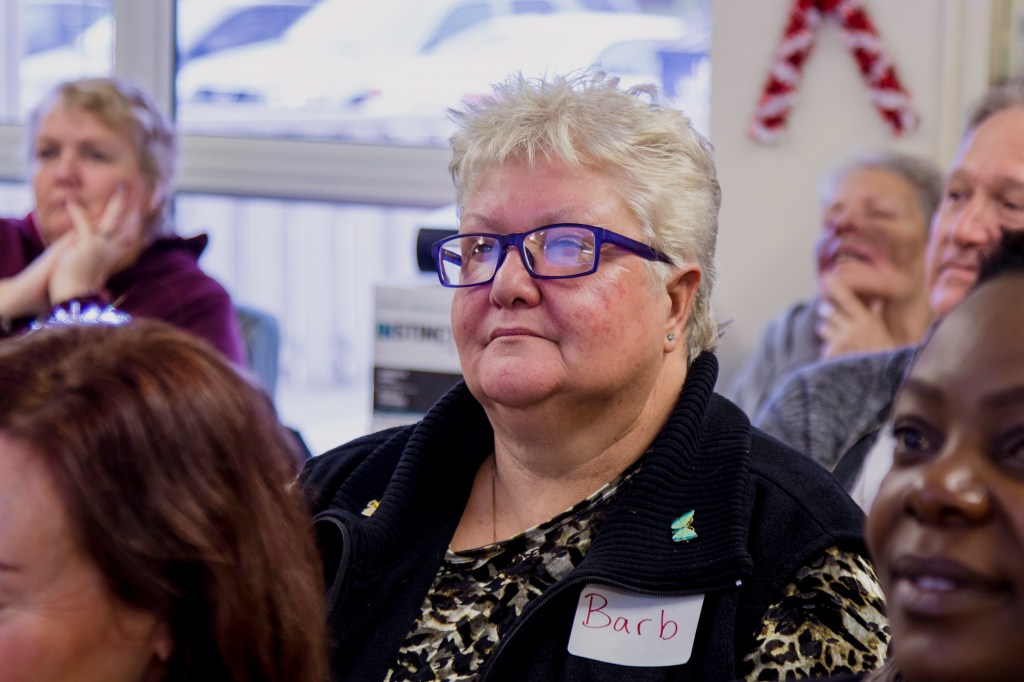
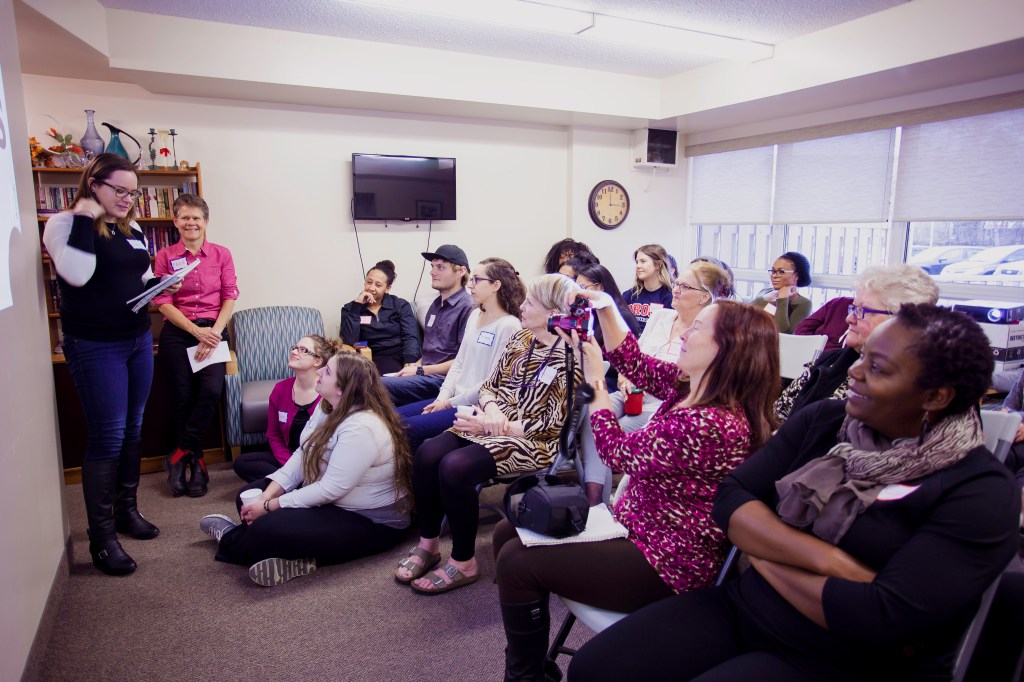
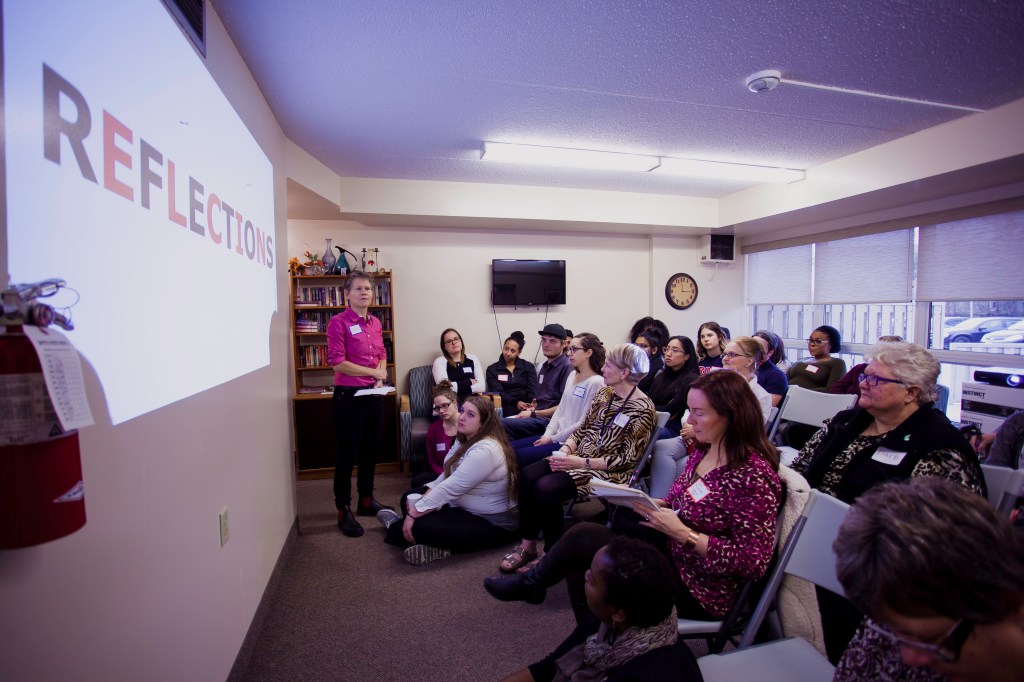
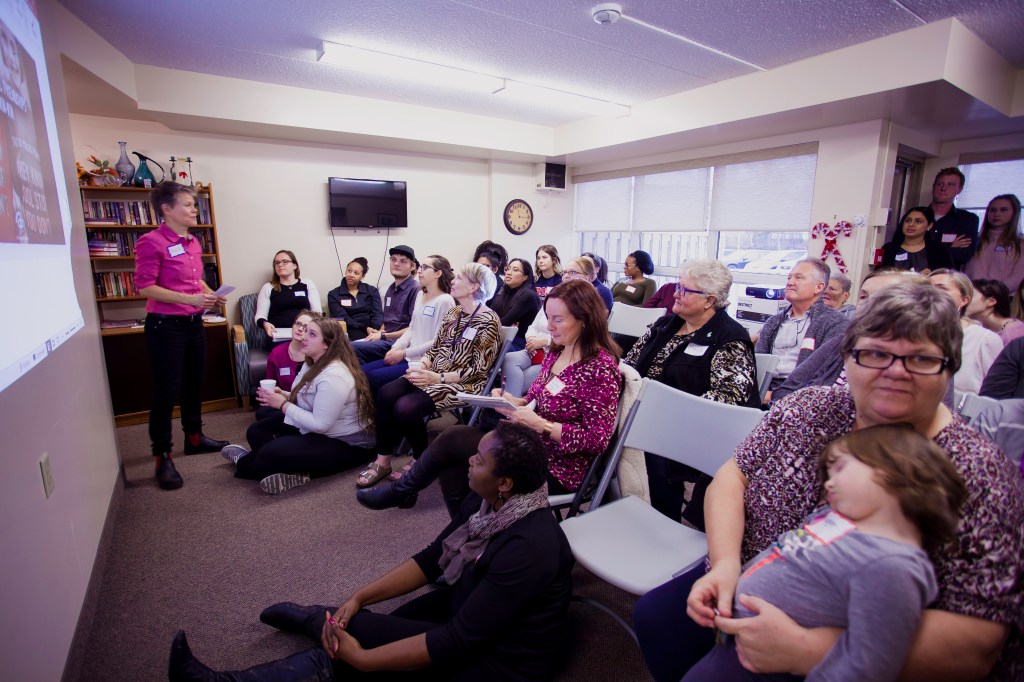
Gallery: 2017 Community Forum










































































 Through Their Eyes